Pick almost any product that has been shipped in the past ten years, and you’re guaranteed to find one thing in the packaging: an oversized cardboard box filled with either plastic air pillows or foam. None of this was designed. It has simply become the norm. Many companies have probably never measured the cost to them. Eco-friendly packaging boxes exist to eliminate this type of waste. They do so by reducing not only the waste that is obvious to customers when they receive their goods, but also the waste that occurs before the box is made and long after it has been thrown away. Below is a graphic representation of what this waste actually looks like and how packaging can truly be changed to eliminate it.
The Waste Nobody Measures
It Starts Before the Box Ships
When people think about packaging waste, they picture a recycling bin. But the environmental impact of a conventional box starts way earlier, at the forest, the oil well, or the chemical plant where its raw materials come from.
Standard packaging leans heavily on virgin timber, petroleum-based plastics, and synthetic foam. Pulling those materials out of the ground and turning them into boxes burns energy, uses water, and generates emissions at every step. According to Towards Packaging’s March 2026 market analysis, the global sustainable packaging market reached $313.72 billion in 2025. That’s not a niche movement. It’s an entire industry responding to the real cost of what conventional packaging has been doing for decades.
Half the Box Is Empty Space
Here’s a question most brands have never actually answered:
What percentage of your packaging is just filler?
Plastic air pillows, crinkled paper, and foam inserts exist entirely because the box was too big for the product. And that oversizing isn’t free.
Every piece of filler is a material cost. It adds weight, which raises shipping fees. It takes up space in the warehouse. And it lands in the customer’s bin almost immediately. Right-sizing boxes is now one of the fastest ways to cut environmental impact. A box that actually fits its contents eliminates the filler problem entirely and usually lowers shipping costs.
Recycling Label That Doesn’t Mean What You Think
This one surprises brands more than anything else. A box stamped “recyclable” isn’t necessarily getting recycled. Whether packaging actually enters a recycling stream depends on local recycling rules, its construction, and any coatings or laminations used.
EcoPackables’ 2026 sustainability statistics put it plainly: the gap between what a recyclable label promises and what is actually recycled remains wide. Real eco-friendly packaging boxes close that gap with verified post-consumer recycled content, FSC-certified materials, and disposal instructions.
What Eco-Friendly Packaging Boxes Actually Fix?
The Material Problem
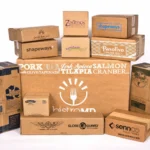
Kraft paper, corrugated board with recycled content, moulded fibre, and FSC-certified paperboard. These materials do everything conventional packaging does structurally. They use less water and energy to produce, generate fewer lifecycle emissions, and move through existing recycling systems without issue.
Dream Custom Boxes’ March 2026 analysis shows that FSC certification and verified post-consumer recycled content have become essential standards for brands. Anything less doesn’t hold up when customers or regulators start asking questions.
The Trust Problem
Here’s a number worth sitting with. A March 2026 survey of 1,000 U.S. consumers by UPrinting found that 93% of shoppers would pick the more sustainable-looking product. That’s not a small, eco-conscious subset of the market, and that’s nearly everyone, making a preference decision based on the box.
The same survey found that 77% of consumers trust brands more when packaging looks genuinely eco-friendly, and 39% have already switched brands. At Multiple Packages, customers respond differently when the packaging matches what they actually value.
Regulatory Problem Most Brands Aren’t Ready For
Sustainability requirements aren’t coming eventually. They’re already here in several markets and expanding fast.
Brands that wait until compliance is mandatory will scramble. Brands that switch to eco-friendly packaging boxes early gain better supplier relationships, have smoother transitions, and avoid costly last-minute changes.
Cosmetics Brands Have the Most to Figure Out Here
Sustainable Doesn’t Mean Boring
For years, beauty brands assumed premium packaging meant laminated finishes, plastic windows, and non-recyclable substrates. The logic was that sustainable materials looked cheap. That’s genuinely no longer true.
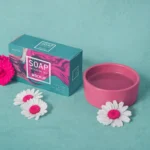
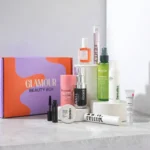
Custom cosmetic packaging looks just as considered and premium as anything that came before it, without the end-of-life problem. The finish holds, and the brand comes through. And customers notice that the box they’re holding isn’t going straight to the landfill.
The Nail Polish Boxes Are a Good Test Case
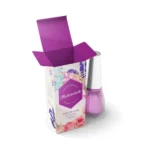
Nail polish boxes might seem like a small detail. Still, they’re a useful litmus test for how well sustainable materials perform under real-world cosmetic packaging demands. Glass bottles need genuine protection. Small box formats need clean print registration. The branding has to read well at retail scale.
Kraft and recycled paperboard handle all of that, without the plastic window inserts or laminated coatings that kill recyclability.
At Multiple Packages, we produce cosmetic packaging and nail polish box built to meet both standards.
Things to Check Before You Switch
Measure Your Box Before You Order
Before you choose new materials, measure your current box to confirm it’s the right size. If there’s any meaningful gap between product and box that requires filler, that’s the first thing to fix. Right-sizing before switching materials captures the fastest, cheapest environmental and cost improvement available.
Don’t Accept a Trade-Off on Print Quality
Sustainable materials shouldn’t mean dull packaging. If a supplier suggests you accept lower print clarity, shorter-run flexibility, or slower lead times, that’s a supplier problem, not an eco-friendly packaging problem. The right partner delivers both.
Wrap Up
Most packaging waste is invisible to the brand that created it.
Eco-friendly packaging boxes make invisible waste visible and provide a practical path to eliminating it. Better materials, smarter sizing, honest sustainability credentials. That’s what the switch actually delivers.
If you’re ready to stop guessing and start building packaging that actually does what you say it does, take a look at what we offer at Multiple Packages.