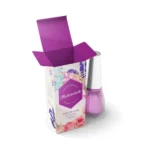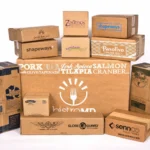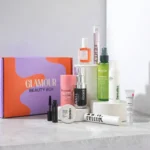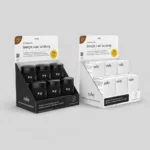
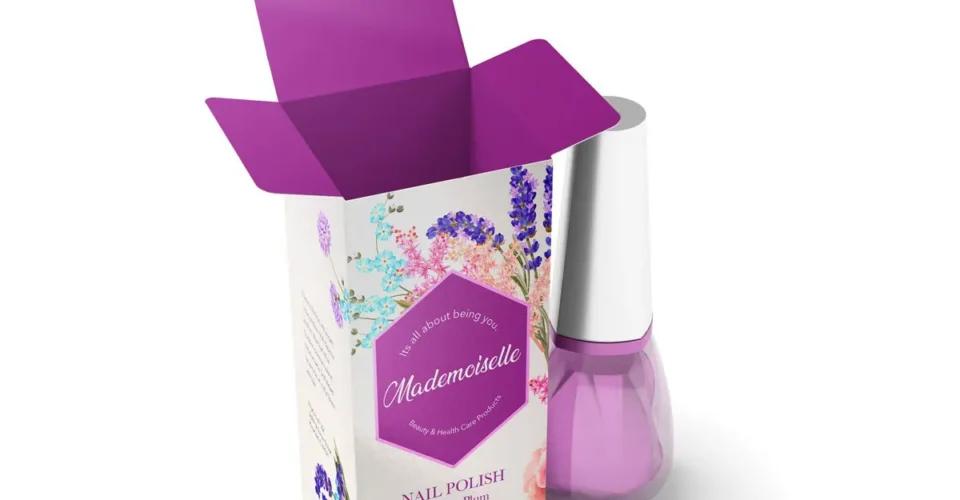
Modern nail polish boxes have to do two things at once: stand out on a phone screen and hold its own on a retail shelf. Great designs have clear branding, a good chance of being picked up by a camera, sturdy construction, clear shade details, and eco-friendly materials, all of which push social attention into becoming real recognition, trust, and a genuine intention to buy.
Getting Started
You might first spot a polish shade on an Instagram Reel or in a creator tutorial, but later on, that person might come across the same polish in a salon, a boutique, a pharmacy, or the beauty section of the supermarket. The box needs to look familiar online, but also look good, stay intact, and be convincing when a real person sees it.
Nail polish boxes are now connected in our eyes to influencer content, ecommerce deliveries, in-store displays, and actual retail. So it’s good to judge it by its visibility; it will perform under different materials, finishes, sustainability, and business use, rather than just thinking of it as some basic box.
Two Different Perspectives on Storefront
Instagram emphasizes quick recognition, but in-store shoppers like to take a closer look to observe minute details. Some of the crucial elements include logo, the color palettes, and the key visual to stay clear as a thumbnail in the eye of a customer. In stores, people are comparing shades, checking the details, and judging the print quality.
A really good way to approach this is with custom cosmetic packaging that creates a consistent look, that works well under different lighting or viewing conditions, and one visual system that works as well in a tutorial as it does in a physical store.
Designing the Perfect Box for the Camera
Make it Recognizable right from the Start.
The front of the panel should clearly show who the brand is before anyone else has a chance to explain it to them. A clear logo zone, plenty of contrast, and one reliable graphic element will make it instantly recognizable in any tutorial or unboxing video.
Don’t overdo it with the artwork on the panels. That might look impressive on a flat proof, but it will look like a jumbled mess when viewed on a phone. Give the logo, the shade name, and the main brand cue some breathing space.
Plan for how the Shade will show in Real Life.
The way the Shade looks on your phone and the way it looks in the store can be totally different. You get around this by using printed shade labels and clear naming and a controlled colour system rather than relying on just one digital swatch.
The world is shifting at a faster pace and adopting innovative techniques like digital printing, which is really useful for collaborations of creators and digital assets. But bigger launches give an opportunity for better printing techniques to maintain the reputation. And it’s always worth doing some physical proofs to check that the key shades look just as good in real life as they do in the design.
Connect Unboxing With Retail Shelf Appeal
Creators care about reveal and camera angles. Retail customers care about information, access, and confidence. The structure must serve both.
| Packaging decision | Social commerce value | Physical retail value |
| Clear front branding | Recognizable in Reels and photos | Faster shelf scanning |
| Secure fitted insert | Cleaner product reveal | Reduces movement and breakage |
| Readable shade labels | Helps creators describe the polish | Supports quick comparison |
| Matte, gloss, foil, or spot UV | Adds visual interest | Creates tactile contrast |
| Right-sized construction | Avoids awkward unboxing | Improves stacking and display |
Well-designed nail polish boxes treat opening as part of packaging design without adding wasteful layers. A fitted paperboard insert, thumb notch, or simple tray can create a controlled reveal while protecting the glass bottle.
Sustainable Manufacturing is Always the Packaging Domain
Sustainability always molds into the packaging itself, but the main issue is with the labelling and material quality. If the sizing of the box is maintained, then using recyclable materials like paperboard and using water-based coatings with clarity of disposal guidelines.
Well-designed, eco-friendly nail polish boxes don’t have to look cheap. Kraft packaging can be great for natural brands, while smooth recycled paperboard can support clean typography and detailed printing. Finish the box with a finish that matches the recycling goal because plastic windows and mixed laminates can complicate things for consumers when it comes to throwing the box away.
If you do have a message to give to customers about the materials or any other aspect of the product, then put it inside the flap or attach it as a QR code to give some useful context, but don’t crowd out the main panel with too much information. That way, eco-friendly packaging will be that bit more believable and worth doing.
Practical Tips for Your Beauty brand
- Test the front panel at the size you’d see in an Instagram thumbnail. It’s a good way to check its impact.
- Get your samples photographed under daylight, retail light, and studio light. It’ll make a big difference in how your packaging looks.
- Make sure your shade names are easy to read from a distance and don’t make your customers squint.
- Use inserts that grip the bottle snugly without using too much filler. It’s a small detail that matters.
- Double-check that your folds and coatings can handle being handled a lot.
- Give clear instructions on how to dispose of your packaging. It’s good for the environment and your brand.
- Carry your brand identity over to display units, large format printing, and any signage solutions; it all adds up to a cohesive look.
These checks help custom cosmetic packaging look consistent across all your product pages, influencer kits, shipping, salon displays, and retail shelves.
Choosing a Packaging Partner for an Omnichannel Beauty Business
A reliable packaging partner is always a better opportunity to improve the branding of beauty startups, retailers, and eCommerce brands in the US. Multiple Packages offers custom cosmetic packaging, display packaging, inserts, printing, material choices, and finishes across beauty and other product categories. We work with nail polish boxes, lipstick, mascara, subscriptions, drawers, and cosmetic displays, helping brands build a cohesive packaging family rather than treating every product like a separate project.
A good printing company should ask questions like where your product will be sold, how it’ll be filmed, how fragile the bottle is, and what information needs to be on the pack, which is way more valuable than just picking a finish from a list.
FAQ’s
What Makes Nail Polish Boxes Suitable for Social Media?
Strong contrast, a clear logo, readable shade names, controlled reflections, and a neat opening sequence all help packaging stand out online.
How Can Custom Cosmetic Packaging Support Retail Sales?
It helps customers spot the brand, compare shades, get product details. And feel confident about the product, all while keeping the shelves looking organized.
Are Matte Boxes Better Than Glossy Boxes for Social Media?
Neither is always the best choice. Matte boxes can reduce glare, while gloss and spot UV add highlights. Your best bet is to test your samples under typical filming lights, which is always a safer option.
Can EcoFriendly Packaging Boxes Still Feel Premium?
Absolutely. Quality paperboard, sharp printing, embossing, selective foil. A well-fitted structure can create a premium experience without using too many materials.
Should Nail Polish Boxes Have a Window?
A window can show the bottle, but it might add plastic or reduce recyclability. Accurate shade printing or a small plastic-free cutout could be a better balance.
Conclusion
With social commerce, discovery, content, delivery, and shelf comparison are all connected in one customer journey. Your packaging supports that journey by providing recognizable branding, accurate color communication, bottle protection, a great unboxing experience, and well-planned eco-friendly packaging boxes.
When customers move from Instagram to store shelves, does your packaging tell the same brand story?