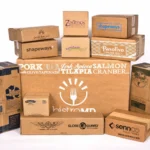
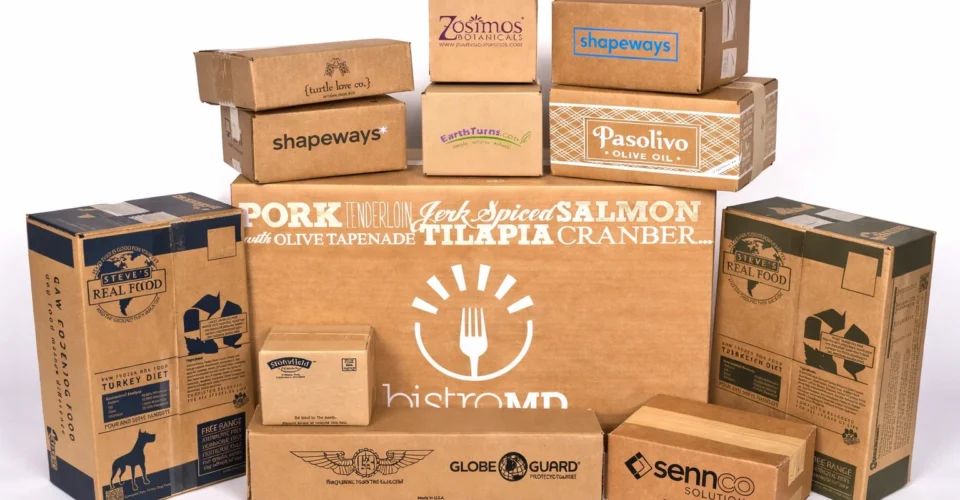
Most warehouses don’t need a separate box for every single product. Instead, they need custom cardboard cartons in the right sizes to match common order profiles.You’ve got to strike the right balance between fast selection, product protection, storage space, shipping efficiency, and enough flexibility to handle those one-off orders.
Why a Bigger Box Library Isn’t Always Better
It would be a good idea to have a large library of box sizes so packers can pick the one that fits each order. But every extra box option adds complexity, more decisions to make, more places to store them, more refills to keep on top of, and an even greater chance of grabbing the wrong size.
On the other hand, having a really small range of options makes selection a breeze, but can also be a problem. Compact products just end up getting squished into oversized custom boxes, using up loads of filler and increasing shipping volume. What you really need is the smallest range of totally custom cardboard cartons that still get the job done.
Research shows that new information about the boxing size, and assortment can really cut down on wasted space and boost box usage.
Carton Variety and Warehouse Performance
| Carton strategy | Packing speed | Space efficiency | Complexity | Best use |
| Few standard sizes | Fast | Often limited | Low | Similar products |
| Large assortment | Slower | Potentially high | High | Varied catalogs |
| Data-based core range | Consistent | Strong | Moderate | Growing warehouses |
| On-demand sizing | Efficient with automation | Very high | Low | High-volume fulfillment |
For many operations, the practical answer is a core range covering frequent orders, plus one or two flexible sizes for uncommon combinations.
How Carton Variety Impacts Packing Speed
More Choices = More Delays
Huge choices and workload always delay your operations when you’re packing hundreds of orders a day. So clear size differences, easily visible labels, and keeping everything nicely labelled in one place can all make a big difference and save you time.
When it comes to custom cardboard boxes, each size should have a clear role. If two sizes are pretty much serving the same products, then there’s no need for both.
More Sizes = More Complications
Every new size adds extra complexity, more forecasting to do, more space to store them, more stock checking and refilling to deal with. Slow-moving sizes just take up space, while the ones that are really in demand might run out during peak periods. A tighter range makes life easier in so many ways, from ordering and restocking to keeping your packing stations tidy.
Build Your Range Around Those Order Profiles
First, look at your shipment history rather than every single product.
Group up the orders based on length, width, height, weight, fragility, and how many items there are. Then look for the combinations that come up most often. A warehouse selling cosmetics, accessories, wellness products, and custom CBD boxes, for example, might have loads of SKUs but a few that share the same outer size.
Four Variables to Consider
- How often they get ordered: Reserve those specific sizes for the orders that come up most often.
- Product protection: Allow for some flexibility in terms of inserts, dividers, or cushioning.
- Shipping impact: Make sure your custom cardboard boxes aren’t creating excess volume that you end up paying for.
- Packing method: Consider whether you’re hand-assembling the boxes or using machines to form them.
The right box needs to be easy to get up, fill, close, label, stack, and restock. And its material should match the weight and handling conditions of your products rather than just being the thickest option.
When Product-Specific Cartons Make Sense
You don’t have to standardize your boxes so much that you lose all sense of product difference. Glass bottles, fragile retail goods, subscription kits, and information-heavy products might all need their own specific packaging.
For example, custom CBD boxes might need a really close fit for bottles, jars, or tubes, and some decent space for product information. A specialized product carton can go inside a standard outer box, so you can still present the product in a good way without creating loads of shipping box SKUs.
Digital printing is great for smaller or frequently updated runs, and offset printing is better for larger quantities. You can still have different finishes and interior branding even with a simpler outer box system.
Practical Tips for Finding the Right Number of Cartons
- Go back a few months and look over several weeks of orders, paying special attention to those super busy periods like the winter holidays.
- Measure the packed-up boxes, not just the bare product, to get an accurate picture.
- Sort your current custom cardboard cartons by how much they get used, how much empty space you’re wasting, how many get damaged, and how long they take to pack.
- Clear out any sizes that basically do the same thing as a more popular one.
- Test out your proposed range in one packing station before expanding to the whole warehouse.
- Make sure you’re showing your packing staff which orders fit into which carton using clear signage.
- Store your excess cartons flat in a dry, clean space.
- When possible, go with simple, easy-to-recycle materials that cut down on filler material without hurting the product.
You won’t find a magic number like five, ten, or twenty that works for everyone. What works is really going to depend on how many different types of orders you get. A simple operation with a focused product line might get away with four to six, while a big warehouse with all sorts of stuff is going to need a bigger selection. The answer comes from looking at the orders you get and testing them out.
Choosing the Right Partner for Your Packaging
Once you get a good idea of what orders look like, you can take that information and use it to figure out the right structures, board types, inserts, and any other details you need for packaging. Multiple Packages works with USA businesses across retail, eCommerce, food, beauty, wellness, and even CBD packaging with customized sizing, design, print, and supply-focused solutions. This lets them coordinate with the right operational packaging, such as custom CBD boxes and branded formats, without treating each product as a separate system.
Frequently Asked Questions
How many box sizes do you really need in a small warehouse?
You want to start with the ones that cover the bulk of your orders and only add new ones if you see they’d really make a difference in protection, space use, or packing time.
Does having too many sizes slow down fulfillment?
Yeah, pretty much. It means your people have to make more decisions, you’ve got more training to do, it’s a bigger headache to deal with inventory, and there’s a higher chance of you picking the wrong box.
Are custom cardboard cartons better than just using stock boxes?
They are if you’ve got a lot of orders that just don’t fit well in standard sizes. Stock sizes work great for low-volume or unpredictable shipments where customization just isn’t worth the effort.
How often should you review the carton mix?
Try to do it every year and whenever there’s a big change in products, order combinations, shipping costs, or how you’re doing things in the warehouse.
Can you still use branded boxes with standardized shipping cartons?
Yeah, you can have custom cardboard boxes inside and still use a smaller range of standard outer cartons to keep things moving in the warehouse.
Conclusion
A good range of carton sizes gives your packers enough options to ensure the product arrives safely, without turning every shipment into a debate over which box to use. By using order data, eliminating duplicate sizes, testing packing speed, and keeping specialised items where they really add value, you can make custom cardboard cartons work as a useful tool in the warehouse rather than just a bunch of extra stuff to deal with. Is your box assortment based on what you really need or just a collection of sizes you got at some point?