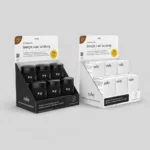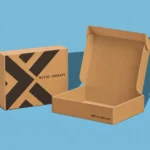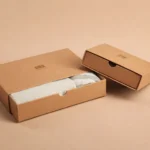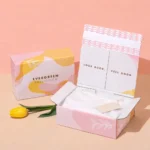
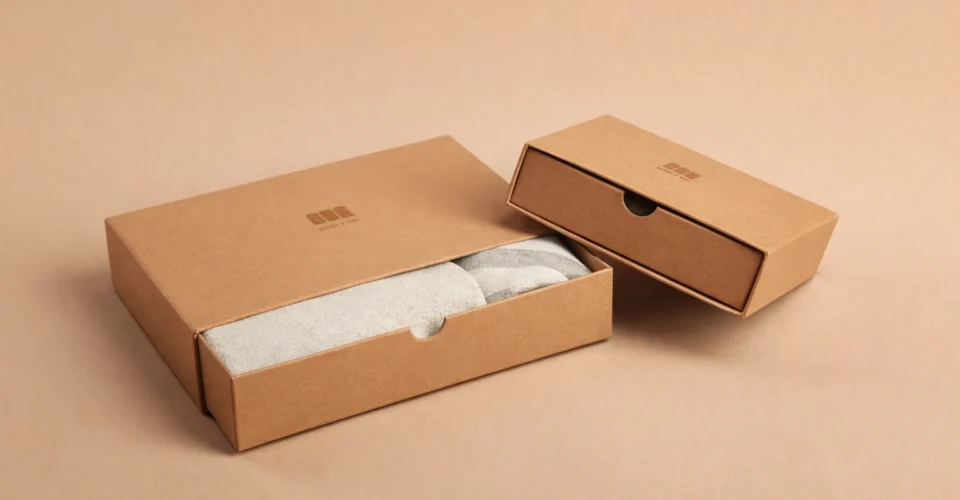
Keep the core of your brand system and your custom packaging boxes stable for a good 12 to 24 months. Then you can refresh the major artwork seasonally, consider big changes to the box’s look, and make minor tweaks like changing up the labels, inserts, or what you say inside the box each month. This way, you keep recognition and still keep things fresh every delivery.
Why The Goal Should Not Be “New Every Month”
You’re going to want to make sure your subscribers feel like they get to discover new things, but that doesn’t mean they need to get a completely different box every month. If your custom packaging boxes look totally unrelated to the last one, then your subscribers’ visual memory starts to get a little hazy. On the other hand, if nothing ever changes, the whole experience can start to feel like you’re just phoning it in.
The right question to ask yourself here is: which parts of the box should change, and when? A good subscription box solution separates the important stuff that’s part of your brand from the parts that change from month to month.
A Practical Redesign Schedule
| Packaging layer | Suggested frequency | Main purpose |
| Logo, core colors, typography | Review every 18–36 months | Brand recognition |
| Box dimensions and opening style | Change only when products or shipping needs change | Protection and efficiency |
| Main printed artwork | Every 3–6 months | Seasonal freshness |
| Sleeves, labels, tissue, interior print | Monthly or by campaign | Affordable novelty |
| Insert cards and educational content | Every shipment | Storytelling and product guidance |
| Premium finishes | Launches or limited editions | Special-event impact |
A snack subscription built around monthly themes may need more visual variation than a refill service built around reliability. The schedule should match the customer promise, not a trend calendar.
What Should Stay the Same in Your Custom Packaging Boxes
Make Sure The Recognition Layer Stays Consistent
Your logo, the colors you use, the style of your writing- these are all the things that your subscribers should be able to instantly recognise as part of your brand, no matter what time of year or what edition of the box you’re on. The industry needs better seasonal editions for improvements and growth.
However, there’s no need to use the same artwork forever. You can alter the design psychology, color schemes and the illustrations. While the patterns, pictures, or language on your box and still keep the logo in the same place, with the same colors.
Keep The Box Structure The Same Unless You Have To
Things like how big the box is, what kind of cardboard it’s made of, how the inserts fit in, and how you close it all up, all of these things affect how safe the products inside are, how fast you can pack the box, and how easy it is to store and ship it. You shouldn’t change any of these things just because you want a new look.
The only time it makes sense to change the box structure is if you’re changing the products you’re shipping, if breakage is a problem, if you need a lot of extra packaging to keep things safe, or if customers are having trouble opening or recycling the box. Otherwise, just keep the engineering stable and focus on refreshing the visible parts.
What Can You Change Each Month?
You can usually add a lot of novelty to a box by changing up the inner workings, without having to change the box itself. You could have special insert cards that introduce the theme of the month or give tips on how to use the products. You could also have printed sleeves, stickers, or belly bands that change each month.
These kinds of modular elements make it a lot easier to plan your packaging, and they help you to avoid having to get rid of season-specific boxes that are no longer current.
How To Know When You Really Do Need a Redesign
Check If People Still Recognize The Box
Show a picture of the box to a small group of customers, without telling them it’s yours. If they can’t tell from the colors, the layout, or the shape that it’s your brand, then it might be time to think about sticking with what works and not introducing too much change.
Look At Your Customer And Operational Signals
Compare things like how many people are renewing, how many people are pausing, how many are giving you good or bad feedback, and how many are sharing your box on social media. Also, look at things like how long it takes to pack the box, how often you get damaged products, how much space you need to store the boxes, and how much of your old stock is just going to waste. Patterns in these areas can tell you whether your packaging is causing problems or if it’s actually helping.
Check Your Waste
Count up how many boxes and inserts you have left over, how much filler material is going to waste, and how many other components you can no longer use because they’re too old. If your monthly redesign program is causing you to throw away a lot of material, it may be too aggressive.
Practical Tips for a Flexible Packaging System
When creating a Packaging Design guide, start by defining what elements are fixed and what’s flexible. Keep your master dielines locked down, but allow for approved artwork zones in case you do want to introduce seasonal graphics.
When it comes to choosing materials for the actual handling environment, think about what will withstand the rigours of shipping. For example, corrugated mailers are a great option for shipped subscriptions, while paperboard cartons or rigid boxes might be more suitable for retail-style or premium programs. Don’t forget to test any special finishes like coatings, foil, Spot UV, or soft touch to see how they’ll hold up to scuffing before committing to recurring production.
It’s also really important that your Packaging Design ties in with the wider Branding system. Make sure that retail displays, Large Format Printing, and Signage Solutions all use the same visual language, even when the monthly graphics change over.
When developing innovative packaging, prototype major structural changes and test performance under different shipping conditions. Think about packing, transit, opening, product removal, and recycling. Even if your packaging looks great, it can still fail if it slows down fulfillment or makes disposal difficult.
Choosing the Right Packaging Support
Once you have a clear idea of your brand system and redesign schedule, your supplier should be able to support both consistency and controlled variation. Multiple Packages is a great option because they offer custom mailer and cosmetic subscription packaging with a range of options for size, shape, internal layout, rigid structures, eco-conscious papers and finishes, including foil stamping, Spot UV, and soft-touch lamination. This flexibility makes them a credible option for US businesses that need an adaptable base package across different product categories. Be it beauty, retail, eCommerce, gifts, or otherwise.
Frequently Asked Questions
Should custom packaging boxes have a new look every month?
Only if having a completely new look is the whole point of the offer. For a lot of brands, you can get the freshness factor from inserts, labels, tissue, or inside printing.
How often should the main box design change?
Review it every 12 to 24 months. However, only design a new one if your branding, product mix, customer expectations, or operational needs have changed.
Can seasonal designs confuse your customers?
Yes. It’s good to keep the logo, typography, layout, and at least one signature colour consistent, even when you introduce seasonal graphics.</span>
How can subscription box packaging solutions help reduce waste?
By using rightsized structures, recyclable materials, modular printed components, realistic order quantities, and artwork that stays relevant longer.
When should you change the structure of your packaging?
Change it if products no longer fit securely, damage or packing time increases. Shipping requirements shift, or customers are having trouble opening or recycling it.
Conclusion
A strong subscription box packaging solution combines the familiar with a bit of flair, a stable identity, a reliable structure, and flexible details that make each delivery feel like it’s been thought about. Rather than make every shipment look completely new, think about which elements of your custom packaging boxes should stay recognizable. Consider which elements have earned the right to change.