A cookie can be as snappy when it leaves the oven as it is a couple of days later, until it arrives with a soft bite. And that happens even if the recipe is perfect. It’s all down to moisture getting into the package somewhere, whether that’s through storage, being on display, or on its way.
For bakeries, packaging is part of the overall product quality, so getting it right is super important.
Well-designed custom bakery boxes can certainly help to protect your biscuits. But the reality is that a simple paperboard box on its own is rarely enough to keep the moisture out. To get the best results, you need a system in place of a protective outer box that has an inner barrier, secure closure, and enough structure to stop the cookies from getting damaged. The actual challenge is finding the right level of protection without making the packaging so difficult to recycle that it becomes a problem in its own right.
Why Cookie Crunch Is So Sensitive to Moisture
Cookies that are nice and crisp are essentially low-moisture foods. When they’re exposed to damp air, they start to soak up the water, and before you know it, their internal structure starts to soften. Research on snack foods like shortbread cookies has shown that if you can keep the water vapour from getting in, then you can slow down moisture getting into the cookies and help them stay nice and crunchy for longer.
But don’t be fooled by the thickness or the look of a box, it’s not just a case of the thicker the box, the better. A rigid carton might stop your biscuits from getting damaged, but if it’s got gaps or holes or loose flaps, then it’s not going to stop the moisture from getting in. It’s often the barrier layer that’s just as important as the board itself when it comes to keeping a crunchy product nice.
And the type of cookie you are making is also going to make a difference in what you need from your packaging. A thin butter biscuit, a biscotti, a sandwich cookie, or a softbaked cookie, these all behave in different ways. So before you select your packaging, you need to work out exactly what you want to achieve and what texture and shelf life you are aiming for.
How Custom Bakery Boxes Control Moisture
The Outer Box Provides The Basic Protection
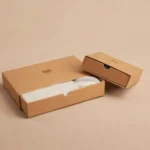
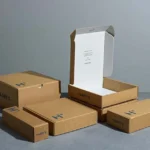
Paperboard and kraft cartons have loads of benefits. They help to protect the biscuits from getting damaged, they let you control the portions, they help with logistics and delivery, and they give you some space for branding and giving out the ingredients and other details.
But don’t get the idea that paperboard automatically means a cheap and rubbish packaging option; it’s just that the outer carton should be doing what it does best: protecting the biscuits from getting damaged, supporting your brand, and holding the inner components safely in place.
Inner Liners Do The Heavy Lifting When It Comes To Moisture Control
A liner, a pouch, a wrap, any of these can reduce the exposure to moisture and help keep your biscuits nice and crunchy. What you go for will depend on your cookie; glassine, grease-resistant paper, coated paper, or even a flexible film might all be options. But remember, just because you’re using a high-performance barrier does not mean it’s automatically the best option.
Closures and Windows
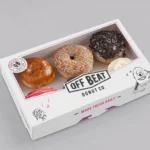
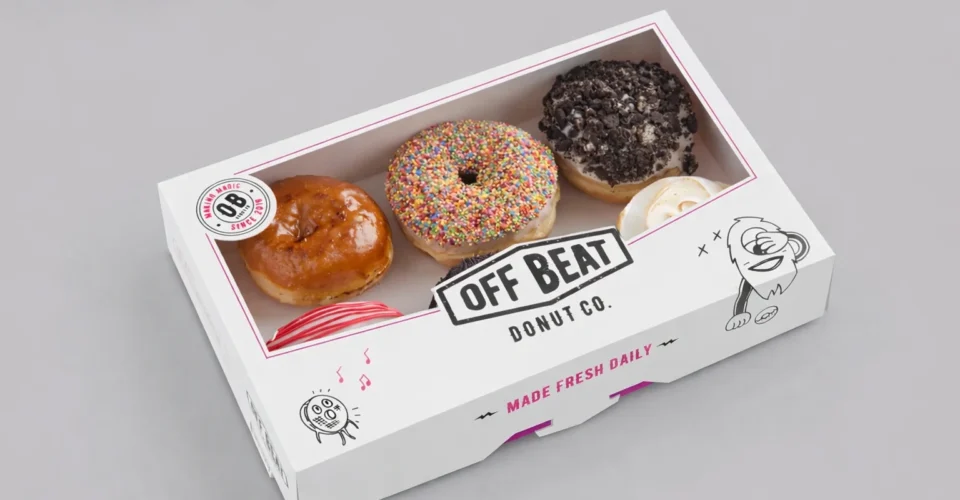
Closures in packaging give support to the products. A display window is necessary for a better appeal on the shelf life. You can also use another material and more sealing materials for better durability. Folded cartons with loose tuck closures can also allow more air in and out than sealed inner packs.
Which is why it’s so important to test your custom bakery boxes as a complete unit, a great board paired with a rubbish closure can still end up being a failure
The Balance Between Moisture Resistance and Recyclability
Recyclability is not actually about how “green” your packaging looks. A Kraft colour, some leaf graphics, or a recycling symbol do not necessarily mean that every single component can be recycled locally.
Coatings, windows, adhesives, metallic finishes, and even food residue can all pop up and cause problems when it comes to recycling. And to be honest, uncoated paperboard is generally the easiest thing to recycle, but it’s not very good at protecting against grease or humidity, so it’s all about finding a balance that works for you.
A More Savvy Approach to Cookie Boxes Wholesale
When buying cookie boxes wholesale, it’s worth considering more than just the unit price. A cheap carton that needs extra tape to stay shut, or double wrapping to get it to the customer intact, could end up costing you more in the long run. And don’t even get me started on the risks of committing to a design before you’ve even tested it out.
Before placing a large wholesale order, run a small trial first. See how those cookies hold up under normal conditions. Then give them the once over after a day, three days, and by the time they’re due for delivery. Check for things like how well they snap shut, how fresh they smell, if there are any grease marks, or how prone they are to breaking. Also, make sure the windows don’t fog up and the closures are up to the job.
WWhen it comes to cookie boxes wholesale, simple packaging adjustments can make a bigger difference than you might expect. Standardizing carton sizes can cut down on inventory without forcing every product into the same pricey moisture control solution.
Picking the Right Packaging Balance
So where do you even start? Begin with these five questions:
- How long do you need the cookie to stay fresh?
- How long will it be in storage?
- Will it be facing humid shipping or retail conditions?
- Does it release oil or contain a moist filling?
- How easy is it to separate the liner, window, and carton?
A same-day bakery order might get by just fine in a recyclable paperboard with a simple liner. But a nationwide shipment of shortbread might need a sealed pouch, some extra padding, and a much stronger carton. And if you’re aiming for a longer shelf life, you might find you need to do some proper barrier testing.
Multiple Packages can give your bakery the ability to customize box structures, printing, windows, and even more eco-friendly material options. This means you can balance product protection, brand presentation, and material choice without choosing between them.
Designing Without Compromising On Freshness
You don’t have to pick packaging that looks like it’s been designed by a committee. The outside of the box can carry a brand through colour, typography, structural design, embossing, or a carefully chosen window. The inner layer can stay simple and functional; there’s no need to make it the star of the show.
This two-part approach is often way more flexible than asking one material to do everything. The box shapes the unboxing experience, and the inner layer keeps things fresh and clean.
Bakeries that order by the wholesale load can also have clear recycling instructions printed on the packaging. Something simple like “remove liner before recycling” is way more useful than some vague green-friendly jargon.
Final Thoughts
Well, the custom bakery boxes help you offer a good choice between crunch and sustainability. They combine structure, barrier performance, closure design, and material separation with a clear purpose in mind.
Multiple Packages can help your growing bakery develop branded packaging that considers freshness, presentation, shipping, and responsible material use all at once. So before you approve the next box design, are you sure you’re testing. How the cookie tastes at the end of its journey rather than just how the package looks at the start?