
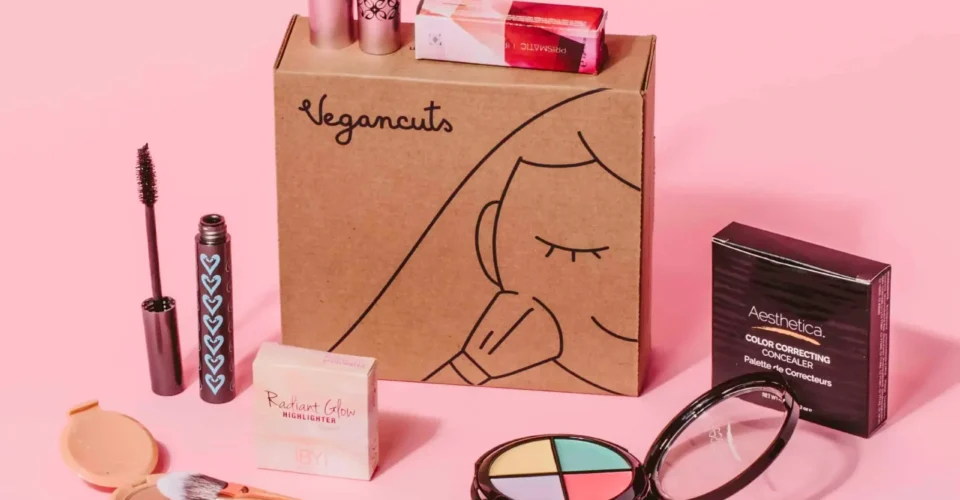
Meal kit brands are selling an enticing story about trust, timing & convenience. It is an idea that dinner can be handled without even going to the grocery store. But the real thing is about packaging. If the herbs wilt, the protein warms up, and the sauce spills all over the place, then if the carton is damaged, the customer’s not going to blame the delivery rider first. They’ll blame the brand straight away.
So for meal kit companies, custom packaging design and manufacturing provide a balanced process. These brands are building a system that meets modern tech and trending packaging needs. The main goal is to keep the food fresh while reducing shipping costs. Extra insulation and an oversized box can protect the food, but contrary to this, it’s going to increase your cost. On the other hand, if you don’t use enough protection, you’re going to end up with a whole heap of problems, spoiled food, refunds to deal with, and customers leaving. So it indicates that brands have to create a balanced strategy.
Freight Planning Matters
When you’re shipping food regularly, like if you’re growing a food business or a subscription service, the way that shipping charges are calculated can be a real problem. FedEx, for example, explains that a package may be billed on either the actual weight or the dimensional weight, whichever is greater. Which means that if you’ve got a meal kit box that’s got a lot of space in it, you’re essentially paying to ship air.
The Problem of Separating Freshness and Freight Costs
Freshness is often just treated like a food safety issue. Freight is treated like an operational issue. But when it comes to packaging for meal kits, they’re totally connected. The size of the box affects how much insulation you need, which in turn affects how many cold packs you need, which then affects the weight of the box and what the delivery costs are going to be.
This effect is why subscription box packaging solutions need to start with the product journey rather than the artwork on the box.
Right-Sized Boxes Can Protect Both Food and Margins
A lot of meal kit brands revamp their packaging design into a modern look to entice customers. But the real issue every brand faces here is that it can end up being really expensive.
That’s where custom packaging boxes come in. They give meal kit brands more control over the size of the box and the way it’s set up. Instead of using the same old standard carton for every order, you can build different-sized options around the number of meals, the type of food, the serving size, and even the delivery zone. A meal kit for two vegetarians shouldn’t need quite the same level of protection as a family seafood box unless the packout truly requires it.
Insulation Matching Your Meal Plan
Insulation is one of the biggest cost drivers when it comes to shipping your meal kits. Some companies go for thick liners just because their competitors do. Many brands intentionally switched to paper-based insulation to address pollution and green economy needs. The process should work if you work and match the insulation to your menu, shipping route, and delivery timescale.
Custom packaging boxes are smartly tested under real-world conditions for better solutions.
But When You Do Need Cold Packs, Be Careful
Cold packs are a must-have for many meal kit shipments. The problem is, they add weight at an alarming rate. One extra pack here or there might not make too much difference in a small box. But across thousands of weekly orders, that weight adds up fast and can become a serious cost centre.
This is where a smart strategy for designs comes in. When you design efficient packaging, you are able to cut down on the number of cold packs smartly.
Cost-Effective Technique
Cost control is very important for the growth of the packaging business. But it shouldn’t affect the unboxing experience. Customers are inviting you into their kitchens after all, so the box should feel clean, organised, and reassuring. Recipe cards should be easy to find, ingredients grouped logically, and labels that help with quick sorting.
This is where structural packaging is more than just a decoration; it’s about creating an experience that says you care.
Sustainability Not Just a Pretty Face
Many meal kit customers are highly aware of waste, but real testing is essential for sustainable packaging. A recyclable liner or lighter material is only useful if it protects chilled ingredients from moisture, compression, and temperature changes.
This is why custom packaging boxes for meal kits have to be evaluated on total impact: loss, weight, material use, disposal, and repeat purchase confidence. Spoiled food creates waste, too, so the best sustainable choice has to protect the product without overinsulating.
Sustainable Packaging Must Survive the Route.
When it comes to sustainability, you can’t just look at materials; you have to look at the total impact of your packaging. How well does it protect your product? How much weight does it add? And how easy is it to recycle? And how confident is your customer going to be about buying from you again?
Building a Better Meal Kit Packaging System
To improve a customer’s requirement, you need to analyse the current packaging boxes. Initiate a packaging audit to understand where your packaging strategy stands up and analyse the metrics like box size and average weight of your shipments. You also have to look out for customer complaints about spoilage, reasons for refunds and the estimated time required for packing a box. The next thing to keep in mind is customers, how they are portraying your packaging details and even design. This process will help you identify the actual problem.
Don’t even think about launching a new packaging system without putting it through its paces first. Do drop tests, check how your boxes hold up under pressure, send sample shipments to see how they arrive, and run temperature trials to identify issues before costly service tickets pile up. Multiple Packages is here to help brands develop custom packaging solutions that get the look and function just right, without treating meal kit packaging like just another generic retail box job.
Conclusion: Fresh Food Packaging is a Key Profit Driver
For meal kit brands, the packaging box is the main component of customer trust and profitability. If your box does a great job of keeping food fresh but costs too much to ship, your margins are going to suffer. And if it saves you money but doesn’t do the job on freshness, your customers will bail. The sweet spot is somewhere in between.
Smart subscription box packaging solutions help brands mitigate spoilage. They effectively eliminate unnecessary weight & make their orders look better while keeping the promise of fresh food at the doorstep. When structure, insulation, cold packs, size, and branding all come together, packaging is more than just a delivery box.
For meal kit brands trying to stand out in a crowded US market, the question isn’t so much ‘does packaging matter?’ as whether your current custom packaging boxes are doing their job to keep your freshness promises and freight costs in balance?