After years working closely with printing companies, material suppliers and brands spanning retail and B2B markets, it’s become pretty clear: top coffee brands see their cups as an integral part of the overall product experience, not just an afterthought. So let’s take a step back and examine how the materials, designs and print choices all add up to shape that experience – and how to make smart decisions when crafting your custom cups for the US market.
Why Coffee Cups Packaging is so darn important
In the cutthroat US coffee market, differentiating yourself from the rest is everything. Sure, the flavour matters but your branding can keep the conversation going long after the cup’s been drained. A well-designed Coffee Cups Packaging job will get people talking and build recognition in subtle but powerful ways.
Think about it. A cup that leaks or loses heat sends one kind of message but a sturdy, cleverly designed cup sends a completely different one. Customers may not be able to put their finger on it, but they’ll feel the difference and remember it.
Aside from how it looks, packaging also has a practical role to play. How well does it keep the liquid inside at the right temperature? Does the lid fit securely? How does it hold up when being tossed in a bag or jostled around on the go? And what about customers’ expectations when it comes to sustainability? Fail at any of these and your brand takes the hit.
Understanding Coffee Cup Materials – where do you even start?
The choice of material is where performance, budget and brand values all come together. Each option brings its own set of trade-offs and understanding these trade-offs will help you avoid costly mistakes.
Paper Coffee Cups
Paper cups have become one of the most popular choices in the US and it’s easy to see why – they’re lightweight, pretty affordable and dead easy to print on. Most are made from paperboard lined with a special coating to prevent any leaks.
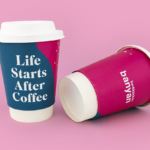
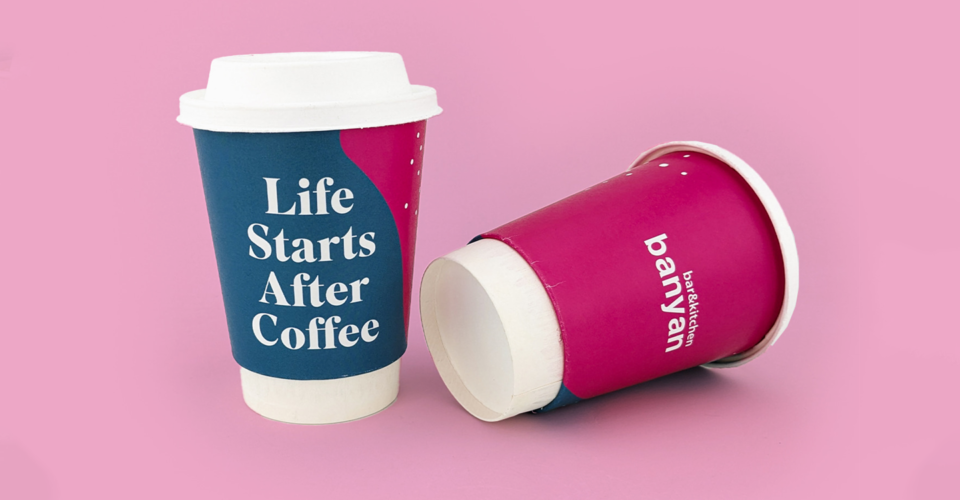
Single-wall paper cups work well for iced drinks or short-term use while double-wall versions provide that all-important insulation without the need for sleeves. If you’re all about convenience and visual branding, paper-based Coffee Cups Packaging still has to be the most versatile option going.
Plastic Coffee Cups
Plastic cups are the go-to for cold drinks, smoothies and specialty iced coffees; they allow the drink itself to be part of the presentation. While good old-fashioned plastic has some eco-unfriendly reputation issues, many US brands are now switching to recyclable or bio-based plastics instead. If you’re after a real showstopper and durability is key, then plastic cups can still have a place especially if you source them responsibly.
Compostable and Eco-Friendly Materials – doing the right thing
The green revolution isn’t just a niche expectation anymore in many US cities, customers are actually on the hunt for compostable or recyclable packaging.
Cups made from PLA-lined paper, bagasse or other plant-based materials can help your brand align with those eco-friendly values. The key, though, is to keep it real eco-friendly Coffee Cups Packaging only works if you’re clear and honest about disposal instructions.
Coffee Cup Styles That Match Real-World Use
Beyond materials, style really impacts how usable and thought of your cup is . The right structure makes your cup easier to hold, stack, transport, and remember for that matter so you don’t end up losing them.
Single-Wall vs. Double-Wall Cups – The Big Choice
Single-wall cups are the cheap option but quite often need a sleeve if you’re serving up hot drinks, which kinda defeats the whole point. Double-wall cups sort the issue out they keep your drinks hot for longer and give your branding a nice clean looking cup
From a branding point of view, a double wall cup just looks more premium, which can be a big sell for specialty cafés and corporate clients who love the image of quality.
Ripple and Textured Cups – Add Some Grip and Style
Ripple wall cups add a bit of grip and insulation to your cups while also making them look a bit more interesting. They’re great for brands that want to give off a hand crafted or high end look.
Textured coffee cups also look great on a photograph and trust me that’s not just a nicety in the age of Instagram it’s a real selling point.
Getting the Size and Lid Compatibility Right
Standard sizes are alright for keeping things efficient, but sometimes it’s good to get your cup size custom made for a specific drink or portion size whatever you do though make sure the lid fits on properly a bad lid can ruin an otherwise great cup.
Turning Coffee Cups into Brand Assets – The Art of Printing
Printing is where strategy and creativity meet when done right you can turn a plain cup into a brand storyteller
Flexographic Printing – Low Cost and High Volume
Flexo printing is the way to go for high volume orders its quick, cheap and always looks good perfect for companies like nationwide café chains or B2B distributors who need to get a lot of cups out the door quickly
Yes it does have some limitations in the way of colours but if you need a lot of cups, its by far the best option
Offset Printing – Where Visual Precision Matters
Offset printing on the other hand is great for intricate designs or premium branding its a bit more fiddly but the results are worth it its great for brands with high end products or new product launches
Digital Printing – The Perfect Option for Small Runs
Digital printing is perfect for short runs, seasonal campaigns or for businesses who just want to try out a new design it’s also great if you want to make each cup slightly different which is perfect for promotions or events
For companies that want to try out a design without breaking the bank, it’s a great way to go
Good Design is About How People Interact with the Cup
Good design isn’t just about putting your logo on the cup and slapping some colours on it its about how people interact with the cup in their hands logos need to be in a position where they can be seen when the cup is held naturally
Text needs to still be readable even on the curve of the cup a dark background might look cool but it will also show every single fingerprint or scratch
Whitespace is key if your design is too cluttered it will dilute your brand but a clean design says a lot about your brand
Compliance and Quality – You Can’t Get it Wrong
In the US buyers expect high standards when it comes to packaging it’s not just about getting it out the door, it’s about meeting all the safety and quality standards – we’re talking food-grade inks, no odour materials and consistent print quality all of which are just baseline requirements
Durability is another key factor & is especially important for B2B orders – your boxes need to arrive in one piece, be stackable and ready to go.
now for some companies, that can be a bit of a challenge but for those with international production experience they tend to have it dialed in Multiple Packages are a great example of a company that can help out US businesses, they’ve worked with loads of global brands and make sure all their custom boxes, retail packaging and other solutions meet those high standards.
The Perfect Balance – Custom Coffee Cups Packaging for Retail & B2B
Retail cafes are all about creating a visually appealing experience for their customers, whereas B2B buyers care more about consistency, logistics and what they’ll get for their money. The truth is the best packaging strategy manages to strike a balance between the two.
Places like corporate offices, hotels, events and franchises all use coffee cups in different ways. Knowing where your cups are going to end up is key to deciding the right materials, print method and finish.
There are packaging partners out there like Multiple Packages that have loads of experience in providing tailored solutions that cater to all sorts of different use cases all without forcing you to settle for the same old design every time.
Cut Through the Noise and Focus on What Really Matters
The biggest issue that brands face is getting caught up in trends and losing sight of what really matters. Fancy finishes mean nothing if your cup leaks. You can have all the sustainable materials in the world, but if your customers can’t dispose of them properly, they’re pretty much useless.
Start by getting the basics right. Add in some branding that really resonates. Finally, think about how you can make the cup look great.
When your coffee cups packaging works the way people actually use them, your branding comes across as effortless and that’s where trust gets built.
The Final Word
Your average coffee cups sit right at the crossroads of design, functionality and brand identity. Choosing the right materials, styles and printing techniques is not just about following a template, it’s about getting a deep understanding of how your customers experience your brand one sip at a time.
If you do it thoughtfully, your coffee cups graduate from being disposable items to becoming super-effective silent brand ambassadors that can reach far beyond your cafe walls. So what story are your cups telling the first time someone takes a sip?