





Description
Why brands choose perforated packaging
Easy open and tear strips. Openings that release at the first pull instead of tearing raggedly across the panel.
Controlled dispensing. A shipper becomes a countertop display, so shoppers take wipes, bars or sachets one at a time.
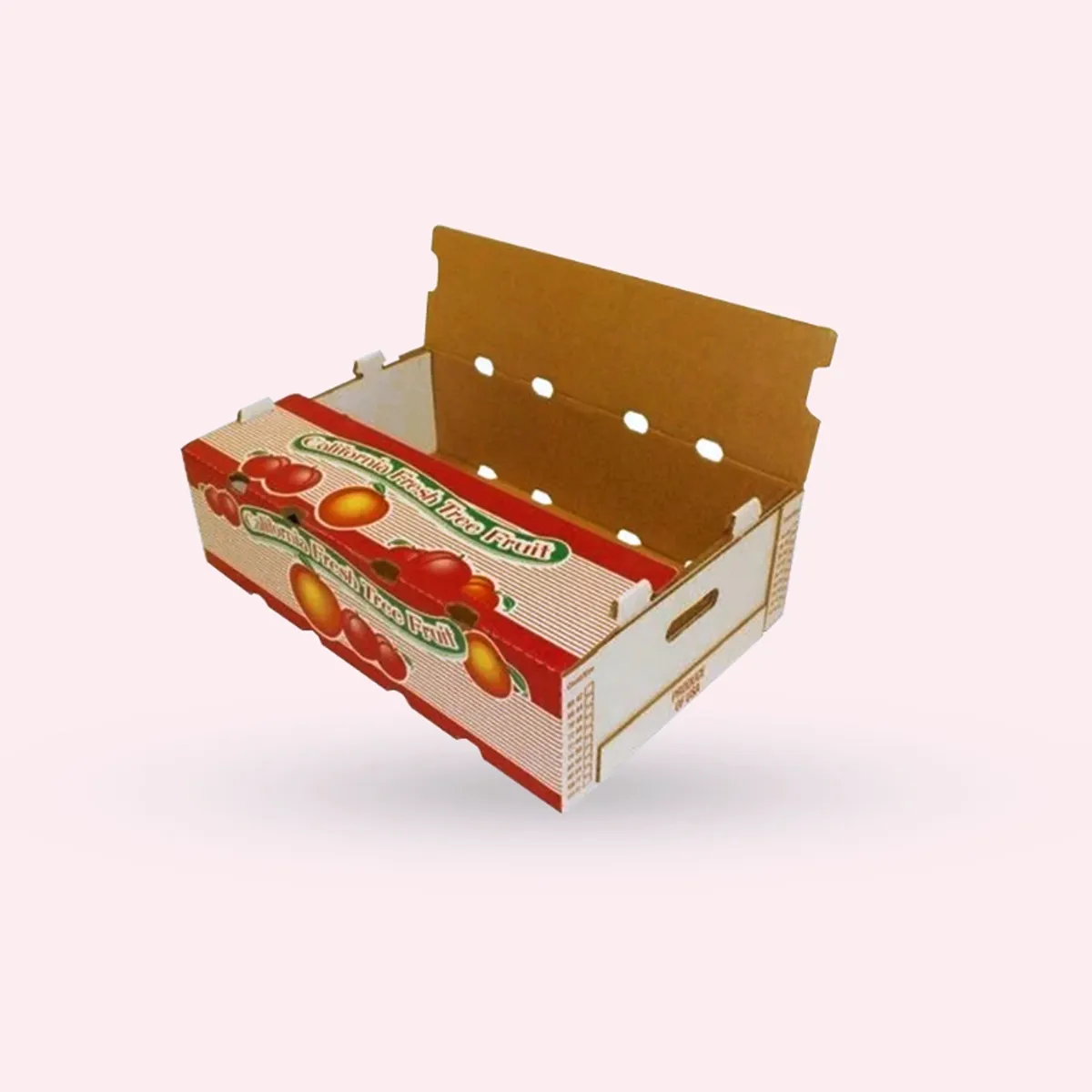
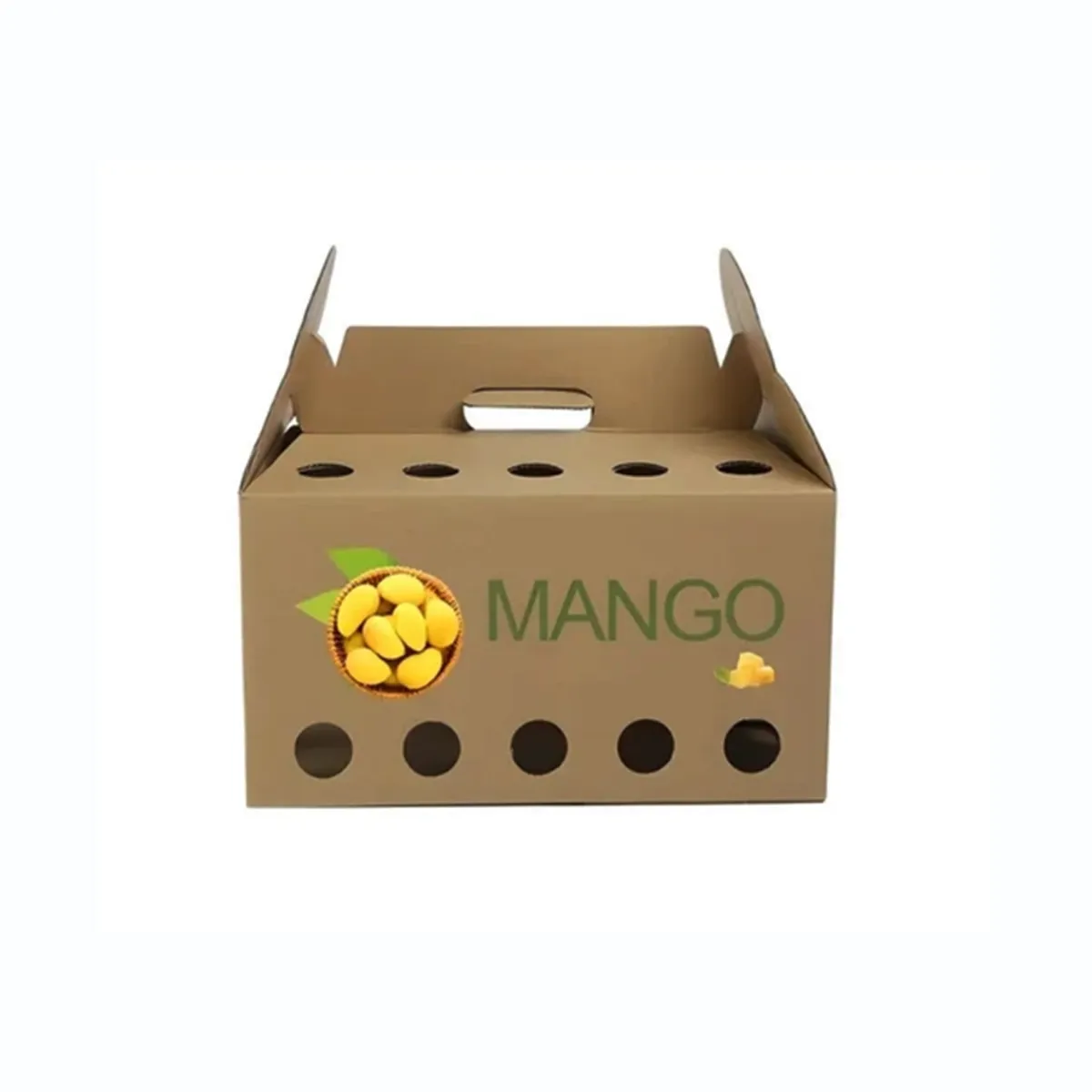
Ventilation when needed. Micro-perforation moves air through produce and bakery packs, cutting moisture buildup and slowing spoilage.
Shelf impact. Tear-off fronts put more product in view, which is what shelf-ready packaging is for.
Cost-effective customisation. Perforations go exactly where your product needs them.
Customized perforated packaging
Every product needs a different opening force, and getting it wrong shows up one of two ways: a pack that bursts in transit, or one a customer has to fight.
The control is the cut-to-tie ratio, the length of each cut against the uncut bridge between cuts. More ties are held together in a parcel. More cuts open more easily. We set that ratio against your board, fill weight and handling, then prototype it.
Direction matters too. A perf line running with the board grain tears straight. Across the grain it wanders off the line, so we lay out the dieline accordingly.
Materials for customized perforated packaging
Choose SBS paperboard for crisp print, kraft for a natural look, bux board, rigid stock, cardstock, or E and B flute corrugated where the pack needs transit strength. Corrugated takes a different perforation specification from paperboard, since the flute structure affects where the tear travels, so we spec each separately.
Printing and finishes for perforated packaging
CMYK printing with Pantone matching keeps brand colour consistent. Add lamination for scuff resistance, soft touch for feel, spot UV for key artwork, or foil and emboss for tactile detail. Clear windows pair well with tear strips, so a customer sees and reaches the product in one motion.
One conflict worth knowing before you pick a finish. Film lamination bridges perforations and makes tears ragged, which undoes the reason for perforating. On dispenser packs and tear-away fronts we recommend varnish or an uncoated finish along the tear path, or a lamination selected to break cleanly. We flag it at proofing.
Ideal applications for perforated packaging
Perforated dispensers are common for tea and coffee sachets, confectionery, bars, stick packs, tissues, wipes and small OTC or cosmetic items. Staff open once, the front tears away, and the box becomes a counter unit that keeps products organised.
Shipper boxes with perforated strips arrive sealed and convert to shelf-ready display in one pull, which most grocery chains now expect in high-turnover aisles. Micro-perforated packs suit fresh produce and bakery, where trapped moisture is the problem rather than impact.
Perforated packaging made simple
Tell us your product dimensions, units per box, and how you want the pack to open. We turn that into a precision dieline, place the perforations for a clean tear while keeping the carton strong in transit, and prototype before committing. After you approve the proof, artwork is printed, die-cut, folded and glued. Packs are tear tested before despatch, and where a retailer requires transit evidence we can build to ISTA 3A.
Order custom perforated packaging today
Send your dimensions, box count and opening style. Expect clean openings and a pack that holds until the customer decides otherwise.
Low-MOQ ordering starts with perforated cartons from 100 units. Production runs about 7 to 10 business days after proof approval, rush from 4 to 5 business days on print ready artwork, with free shipping across the USA.
FAQs
What is the minimum order for custom perforated packaging? Low MOQ ordering starts from 100 units, so you can trial a dispenser or tear-away structure before committing to a full production run.
How do you stop a perforated box bursting in transit? By setting the cut-to-tie ratio to the filled weight and running the perf line with the grain. We prototype and tear test before production.
Can corrugated boxes be perforated? Yes, with a different specification from paperboard, because the flute structure changes where the tear travels.
Does lamination affect the tear? It does. Film bridges the perforation and makes the tear ragged, so we recommend varnish or an uncoated finish along the tear path.
What is micro-perforation used for? Airflow. Produce and baked goods need moisture and gases to escape, and micro-perforation allows that without opening the pack.