
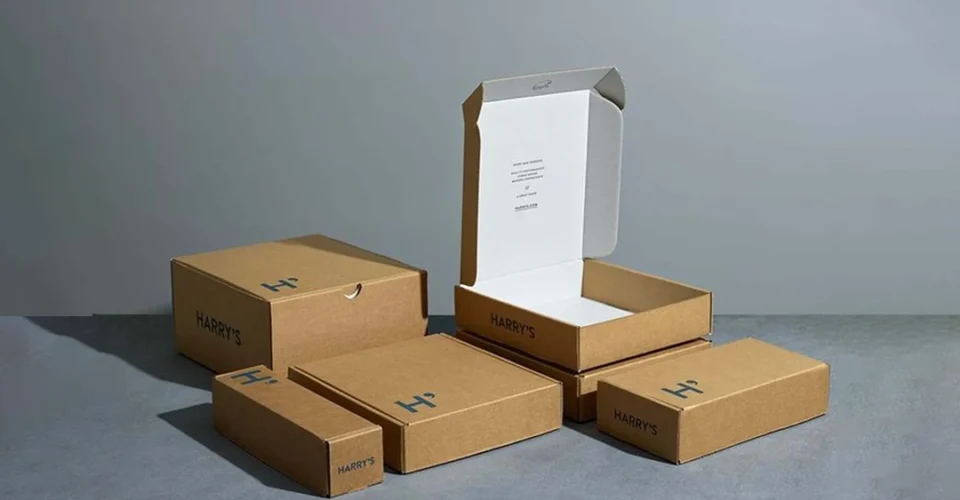
Choosing the right box is about more than just its length, width & height for many brands. The real question is: How does the box actually fit the product inside?
That’s where the box-to-product ratio comes into play. It looks at the relationship between the product & the box, helping businesses pick packaging that keeps items safe without wasting space, filler, or shipping budget. For online sellers, retailers, subscription services & product startups, that small shift can make custom shipping boxes a lot more practical, cost-effective and something their brand can be proud of.
What is the Box-to-Product Ratio?
The box-to-product ratio is basically the balance between the size of your product and the box it’s packaged in. A good ratio gives enough space for protection, but doesn’t result in oversized boxes with space inside.
That’s why measuring a box for shipping shouldn’t just stop at the outside dimensions. Businesses need to think about the product’s shape, how fragile it is, how it should look when you open the box & the kind of inserts or wrapping the customer will experience.
Standard Custom Shipping Boxes Sizes Are Not Beneficial
Standard boxes are not the most efficient choice alone in the industry. Different products require different sizing options, like candles and small skincare items. Another example is folded shirts, as they take up less space. When different types of products are fitted in the same box size, it will ultimately waste your space.
Another thing is that sometimes oversized packaging has more drawbacks than an equally sized fit. The main reason is that it requires extra storage and extra material cost, leading to higher shipping costs.
Custom shipping boxes are the solution here as they improve the brand’s identity and give control over the packaging.
The Smarter Formula: Product Fit, Protection & Presentation
A strong box-to-product ratio is built on three sensible factors.
Product Fit
The product should fit tightly inside the box without any free movement, which ultimately protects the build of the product. But the unboxing experience shouldn’t be too hard to open. You need a balanced space for the internal padding materials, or inserts.
For example, a fragile glass item needs more clearance for protective materials, while a folded T-shirt needs far less. A premium cosmetic set may need a custom insert to keep each item in its place. A subscription box may need a bit more room for the extra paper, cards or samples.
Product Protection
Good packaging absorbs pressure, stops things from moving around and protects corners, surfaces & labels. If the box-to-product ratio is too loose, the item can get knocked about. If it’s too tight, all the pressure goes straight to the product.
That’s why when you’re measuring a box for shipping, you need to include the full packed product, including any protective materials like bubble wrap or paper cushioning.
The Brand Presentation Matters
Packaging is a showcase of a brand’s identity. A well-designed box presents the product as more loved and cared for. First impressions are very crucial in boosting the brand image and getting more sales, even enticing the audience. The presentation of your product in the shape of packaging really tells about the user experience.
Multiple Packages offers custom shipping boxes in the USA that are designed for secure delivery and strong branding for eCommerce and retail products. At its core, the goal isn’t just to ship items safely, but to help businesses create packaging that aligns with their product value and customer expectations, in other words, makes sense for their brand.
How Box Size Impacts Your Shipping Cost
When it comes to the packaging, shipping costs are not solely determined by the actual weight of the package. Many other factors influence the costing, such as volumetric weight, dimensions and shipping distance.
Custom shipping boxes are beneficial for reducing the waste of packaging, while keeping dimensions in mind for manufacturing. The process eventually improves pallet efficiency, reduces storage and gives you a seamless packaging experience.
Cutting Down Filler Waste Without Sacrificing Safety
Void fill has its uses, but too much of it usually means you need to rethink your box planning. Crumpled paper, air pillows, foam and all the fillers can add cost and slow down packing. And let’s not forget, customers notice when they get a small product inside a large box that’s packed with unnecessary material, it looks wasteful.
Sustainability is also a big factor here. A lot of USA brands are trying to reduce packaging waste without compromising product protection. Rightsized custom shipping boxes can help by using materials more thoughtfully, without sacrificing safety in transit.
Why You Should Start Measuring Boxes for Shipping by Looking at the Product
Most businesses start by asking, “What size box do we need?” But that’s the wrong question. A better question is “What does the product need from the box?”
The dimensions of the products say a lot about the packaging strategy. They give you a complete blueprint of how the packaging should be for the desired product. That’s how you get strategic about measuring a box for shipping.
Box-to-Product Ratio: Different Business Types Have Different Needs
Different types of industries need different packaging designs and strategies to facilitate the brand and its audience. The beauty or skincare business requires a presentation and a premium feel. When you talk about apparel, the product requires compactness. portable and flexible packaging options. Food businesses have their own domain; they require protection, freshness and box design.
At Multiple Packages, our packaging services support businesses that need product boxes, branded packaging, retail packaging, and shipping solutions that are shaped around product type, size and brand identity.
Unboxing Experience Defined
Even packaging alone can’t stand the presentation and showcase the brand image of any brand. Unboxing experience is the most crucial element a brand would focus on. A package that opens cleanly and presents the product well creates confidence before the item is even used.
Custom shipping boxes are more than just containers. They are a part of the customer journey. The right box-to-product ratio helps the product arrive safely while making the brand look organized, professional and trustworthy.
The Bottom Line
The very best packaging choices aren’t just about getting the right box size; it’s a whole lot more complicated than that. You’ve got to consider the relationship between the size of the product you’re packing, how well it needs to be looked after in transit, how much shipping is going to cost, and what materials you need to use to keep things safe on the inside and then there’s the customer experience to think about too.
So the question really is, are you still getting your packaging right by focusing on the box size, or is it genuinely built around what the product actually needs?