
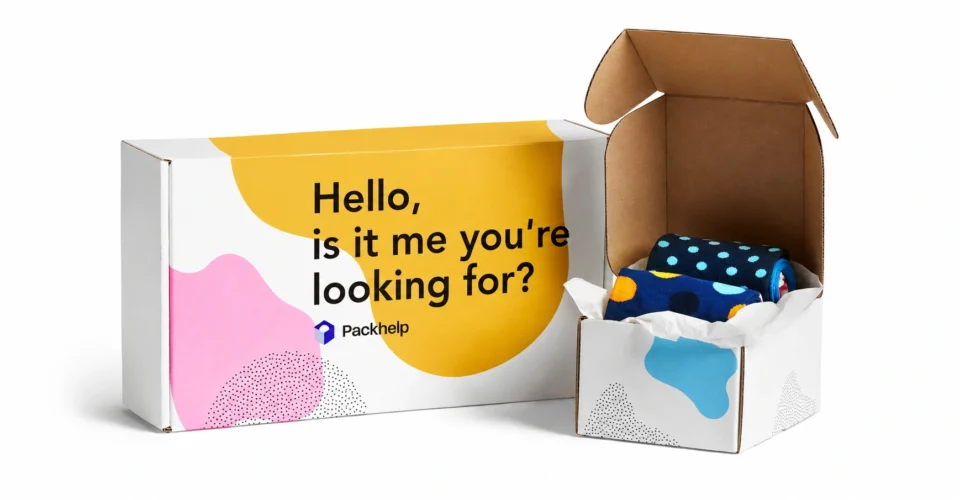
Convertibles like these help keep products safe during delivery, then pop open into snazzy display boxes to grab store shelves. With reinforced walls, inserts that fit like a glove, peel-away panels, visible branding, and space to keep all those pesky compliance notices tidy, you can cut back on secondary packaging, get products into the store faster, and keep a tight lid on packaging costs for your CBD business.
Why a Unified CBD Packaging System Makes Sense
CBD packaging is usually designed for one of two things: getting the goods from the warehouse to the customer, or looking pretty on a store shelf. But that kind of split can lead to all sorts of problems like extra cartons, extra handling, a mess of uneven branding, and loads of unnecessary packaging material.
A better approach looks at your cardboard and boxes as one connected system that moves from the packing line right through to the warehouse, store and customer without needing to get repacked along the way.
The cardboard and boxes have to withstand shipping, tear smoothly, hold your product upright, and keep all the important info on show. You need to factor in the materials, how sturdy it is, what finish it should have, how much visibility is needed, and how sustainable it needs to be, even before the artwork gets approved.
Standard Shipping Boxes vs Convertible Retail Packaging
| Packaging factor | Standard shipping carton | Convertible retail-ready box |
| Main role | Transit protection | Protection plus shelf presentation |
| Store setup | Units are unpacked separately | A tear-away panel reveals a filled display |
| Branding | Usually focused on outer panels | Shipping and display panels carry different messages |
| Material use | May need a separate tray | Can combine shipper, tray, and branded surface |
| Best use | Bulk storage and distribution | Counters, shelves, and small-unit retail |
Start with the CBD Product and Think it Through
The box needs to be built around the product itself. A tincture bottle in glass needs support differently from a gummy pouch, balm jar, cartridge, or pack of prerolls. How heavy it is, where its Centre of gravity is, whether it can leak, how tall the lid is, and how many units per display are all important factors in deciding what sort of cardboard and boxes to use and how to fit things inside.
Light units might do just fine on paperboard, but you often need corrugated boards if several products are going to travel together. Your inserts, dividers, or locking tabs need to keep things from moving around but not make it hard to get to the product inside.
How Cardboard and Boxes Work at Retail
Protect the Path to Opening
Perforations need to be tested even on a fully loaded sample. A tear strip in the corner where a load is sitting can make the pack weaken before it even gets delivered, so you need to make sure the opening is away from any sensitive joints and stacked edges as much as you can.
After it opens up, the tray needs to have smooth edges, side walls that won’t wobble, and enough height so it won’t tip over. FEFCO lists 5 practical needs for what they call shelf-ready packaging: it should be easy to spot, open, put on the shelf, get a good look at, and recycle.
Design the Permanent Display Panels. Don’t Hide Your brand.
The logo and message need to stick around when you remove the display panel. Keep your brand name, the type of product, the variant, and main visual cue on the bits that stay put.
Your display box also needs space for shoppers to take a good look and grab the product. A tall front wall might hide the labels, and a wall that’s too low may make stability an issue. Test that loaded display at both the counter and shelf height.
Keep Space for Compliance
Making compliance-friendly design your top priority starts with assigning space for it before you even decorate the box. Get the product ID, ingredients, quantity, batch details, instructions, warnings, barcodes, and all the relevant state or product-specific info into a clear order of importance.
If you’re dealing with edible CBD products, make sure your design doesn’t look like candy or snack packaging or could appeal to kids. The FTC and FDA have taken action against cannabinoid products presented in misleading packaging that resembles popular kid treats.
Durability & Strength Without Any Loss
Combining a shipper and display separate tray is a good idea, provided protection remains reliable. You’re not really reducing material unless you can still keep things safe. Rightsizing helps eliminate space, and if you use fitted paperboard components to replace loose filler, that’s even better. Think of cardboard and boxes as a single unit, one performance system rather than just separate items to buy.
Digital printing works well for short runs, regional artwork, or prototypes. Offset printing can handle much bigger production runs if you need a consistent look. Finishes should be about solving a real-world problem, like scuff resistance. Your packaging design can also tie in with your broader branding, and that means thinking about large format printing and retail display signage too.
Practical Tips Before You Go to Print
- Make sure you test loaded samples with stacking, vibration, tearing, and product removal.
- Keep perforations away from the areas that get stressed, like corners and locks.
- Put opening instructions in a place where store staff will see them first.
- Keep the main brand message on permanent display panels where it’ll stay up all the time.
- Check every SKU to make sure the dimensions, label position, and required copy are all correct.
- Ask your printing company about how inks, coatings, windows, and adhesives can affect recycling. It’s an important question.
When to Get Some Expert Help
If you’re looking for custom CBD boxes that will ship, open, and merchandise as one smooth system, we’re here to help with custom sizing, structural planning, printing, inserts, prototyping, production, and getting everything delivered on time across CBD, retail, shipping, and other packaging categories. This means you can make a format that follows the product and sales channel rather than just sticking to what looks normal.
Frequently Asked Questions
Can One Box Do It All for Shipping and Retail Display?
Yes, if you design it right. You’ve got to think about board strength, product fit, tear path, and the rest of the tray all working together. The package needs to be able to withstand the real world of distribution.
Are Custom Display Boxes Good Enough for Glass CBD Bottles?
Yes, but usually bottles need some kind of dividers, inserts, or locking feature to stop them from moving around. The outer box has to be able to handle the weight of all that.
Which Board will be the Best for Convertible CBD Packaging?
Well, the answer to this query is complex, as lto this is: lightweightight do okay with paperboard, but corrugated board often works better for multiunit transit displays as well. What matters most is thinking about the weight, fragility, stacking, print quality, and shipping conditions.
Do All Custom CBD Boxes Need Child-Resistant Features?
No, not at all. Requirements depend on the product and the rules that apply. Where special packaging is required, CPSC says it’s got to be difficult for young kids to open, but still easy for adults.
How Is Convertible Packaging Cheaper?
Well, it can ultimately eliminate separate trays and loose filler, and duplicated printing as well. But you need to compare that with tooling costs, material grade, assembly labour, damage risk, and order volume to see if it’s worth it.
The Bottom Line
Well-designed cardboard and boxes can safely carry your CBD products all the way to the shelf and have them ready to go when you test, label, open, and display them properly. We’re here to give you a way to connect protection, branding, sustainability, and retail efficiency all at once in one custom package. Is your current package just getting tossed before the product even gets to the shelf?