
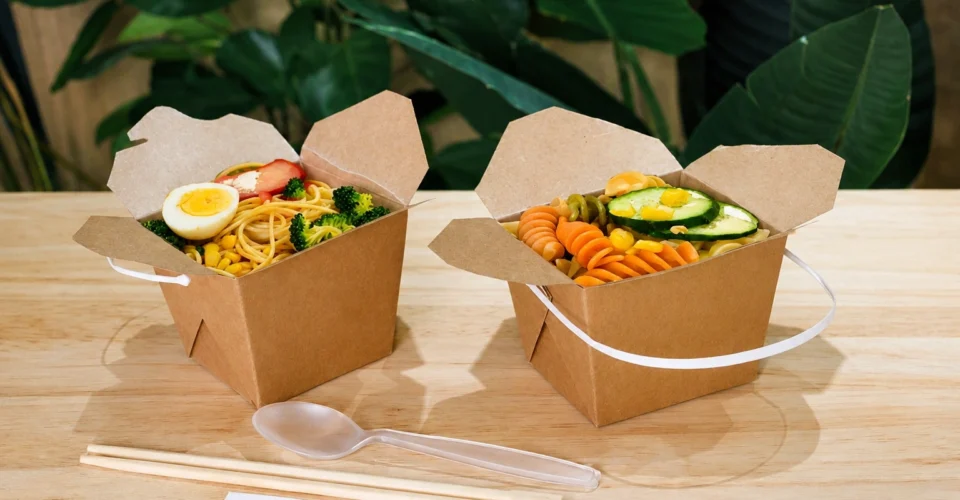
Food boxes keep meals fresh through sturdy, folded designs and moisture-resistant coatings. Takeout boxes prevent leaks by using sealed corners and secure closures. These features maintain food temperature, texture, and flavor during transport, making Chinese food boxes ideal for busy restaurants and delivery services.
Introduction
Takeout food needs packaging that protects quality during transit. Food boxes have solved this problem for decades. Their unique design keeps meals warm and contained. Restaurants rely on them for convenience and reliability. Customers expect food to arrive fresh and mess-free.
This blog explains how these boxes achieve that result. We’ll also explore why takeout boxes remain so popular. Understanding their design helps restaurants choose better packaging solutions. From folding techniques to material choices, every detail matters. This guide breaks down each element clearly and simply.
A Brief History of the Iconic Design
The folded takeout box design dates back many years. It was designed to carry oysters, not noodles. Over time, restaurants adopted it for general food delivery. Food boxes became specifically associated with Asian cuisine. Their practical shape made them ideal for many dishes. Today, the design remains largely unchanged for good reason. It simply works better than most alternatives available.
Comparison: Chinese Food Boxes Features
| Feature | Purpose | Benefit | Common Use |
| Folded Wire Handle | Easy Carrying | Convenience | Delivery Orders |
| Wax or Poly Coating | Moisture Resistance | Leak Prevention | Soups and Sauces |
| Interlocking Top Fold | Secure Closure | Freshness Retention | All Food Types |
| Vented Design Options | Steam Release | Prevents Sogginess | Fried or Hot Dishes |
The Science Behind Leak-Proof Design
Food boxes use a clever folded structure. This fold creates a naturally sealed container shape. Corners fold inward, reducing gaps where liquid escapes. Takeout boxes often include coated interiors too. This coating repels moisture from sauces and soups.
Together, these elements prevent spills during transport. The design has remained effective for many decades. Simplicity and function make it hard to improve. No staples or glue are needed for closure. This reduces both contamination risk and manufacturing costs.
How Do Coatings Protect Food Freshness?
Coatings play a major role in freshness retention. Wax or poly linings effectively block moisture absorption. This keeps food from becoming soggy too quickly. Food boxes with proper coating maintain texture longer.
Fried items stay crispier compared to uncoated packaging. Coatings also protect the box’s structure. This ensures the container holds its shape during delivery. Grease resistance is another benefit of quality coatings. Oily dishes stay contained without seeping through the paperboard.
Why Ventilation Matters for Hot Foods?
Trapped steam can quickly ruin food texture. Some takeout boxes include small ventilation options. This allows steam to escape during transport. Without ventilation, moisture builds up inside the box. That moisture often makes fried food soft and soggy.
Proper airflow effectively balances freshness and crispiness. Restaurants serving fried dishes benefit greatly from ventilated designs. Rice and noodle dishes also benefit from reduced condensation. Less moisture buildup means better flavor upon arrival.
Temperature Retention in Takeout Packaging
Keeping food warm is essential for customer satisfaction. Food boxes provide decent insulation during short trips. The folded paperboard structure naturally traps heat. This helps maintain temperature until the food arrives. Takeout boxes work best for shorter delivery distances. For longer trips, insulated bags often complement these boxes.
Combining both methods significantly improves overall temperature retention. Double-walled paperboard options offer even better insulation performance. Restaurants handling longer delivery routes should consider this upgrade.
Durability That Supports Busy Restaurants
Restaurants need packaging that withstands handling and stacking. Food boxes are designed for durability under pressure. Sturdy paperboard resists bending during transport and storage. This reliability significantly reduces spills and damaged deliveries.
Takeout boxes also stack easily within delivery bags. This makes multi-order deliveries more organized and efficient. Durable packaging ultimately protects both food and brand reputation. Strong boxes also reduce customer complaints about damaged orders. This builds trust and encourages repeat business over time.
Common Materials Used in Production
Most food boxes are made from recyclable paperboard. This base offers strength while remaining lightweight overall. Manufacturers often add coatings for moisture and grease resistance. Some options include compostable linings for eco-conscious restaurants.
Takeout boxes made from kraft paper look rustic. Others use a bright whiteboard for a cleaner appearance. Material choices significantly affect both cost and visual presentation. Restaurants should match material style to their overall brand image.
How Restaurants Benefit From Reliable Packaging?
Reliable packaging reduces food waste and customer complaints. Food boxes help restaurants maintain consistent food quality. Fewer leaks mean fewer refunds and negative reviews. Takeout boxes also significantly improve delivery drivers’ convenience.
Stackable, leak-proof boxes are easier to transport safely. This efficiency saves time during busy delivery hours. Ultimately, good packaging supports smoother daily restaurant operations.
Tips for Choosing the Right Food Boxes
- Select coated boxes for soups, sauces, or wet dishes.
- Choose vented designs for fried or crispy foods.
- Pick sturdy paperboard for stacking during busy deliveries.
- Match box size to portion size for less waste.
- Test different takeout boxes before bulk ordering.
- Consider custom branding for stronger customer recognition.
- Check coating type if serving oily or greasy meals.
These small choices improve both freshness and customer experience. Testing options early prevents costly packaging mistakes later.
Custom Branding With Functional Packaging
Functionality doesn’t have to compromise brand identity. Custom food boxes can include logos and colors. This turns simple packaging into a marketing tool. Chinese takeout boxes with branding significantly improve customer recall. Multiple Packages offers customizable options for growing restaurants.
Our solutions balance practicality with strong visual branding. This helps businesses stand out during food delivery. Branded packaging also creates a more professional unboxing experience. Customers often associate quality packaging with quality food.
Sustainability Considerations for Takeout Packaging
Many customers now prefer eco-friendly packaging choices. Food boxes made from recyclable materials support this demand. Compostable coatings are becoming more widely available today. Choosing sustainable takeout boxes can improve brand perception. It also aligns with growing environmental awareness among diners. Restaurants adopting greener packaging often attract loyal customers. Small sustainability efforts can create meaningful long-term brand value.
Frequently Asked Questions
Can takeout boxes keep food warm?
Yes, their folded design retains heat reasonably well. Longer trips may require additional insulation.
Are these boxes suitable for cold food too?
Yes, Chinese food boxes work well for cold dishes. Coated versions also resist condensation buildup.
Can I get custom branding on takeout boxes?
Yes, many suppliers offer branded printing options. This helps restaurants build stronger brand recognition.
What size Chinese food boxes should I order?
Size depends on typical portion amounts served. Testing a few sizes helps find the best fit.
Are takeout boxes environmentally friendly?
Many are made from recyclable paperboard materials. Eco-friendly coating options are also increasingly available.
Conclusion
Chinese food boxes remain a smart choice for takeout packaging. Their folded design and coatings effectively prevent leaks. Chinese takeout boxes also support freshness through smart ventilation choices. Durability ensures food arrives intact, even during busy deliveries. Material selection and sustainability further strengthen their appeal today.
Multiple Packages provides customizable options for restaurants of all sizes. Choosing the right box protects both food quality and brand image. With thoughtful packaging, every takeout order feels fresh and reliable.