



Description
Slipcase boxes: premium packaging for a lasting impression
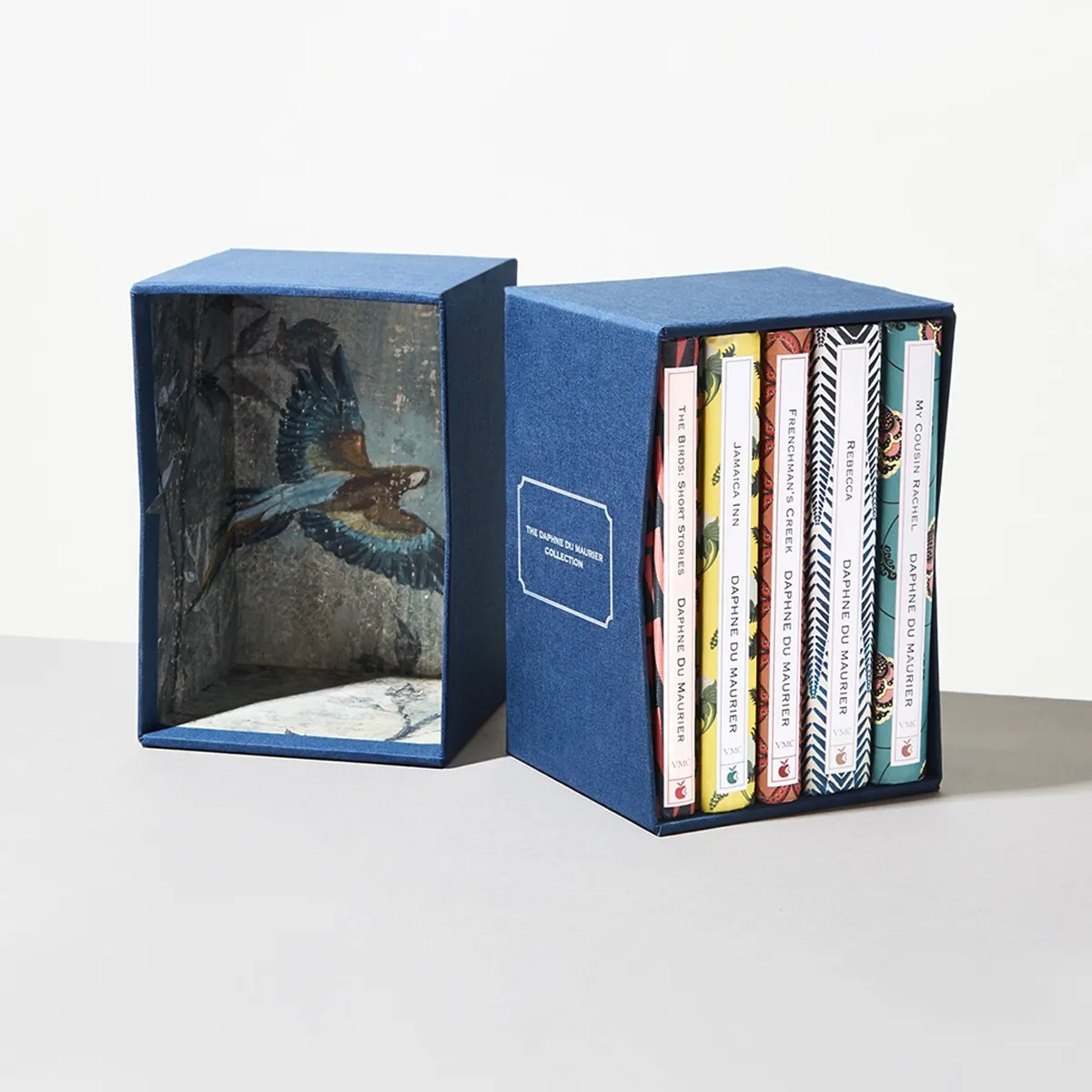
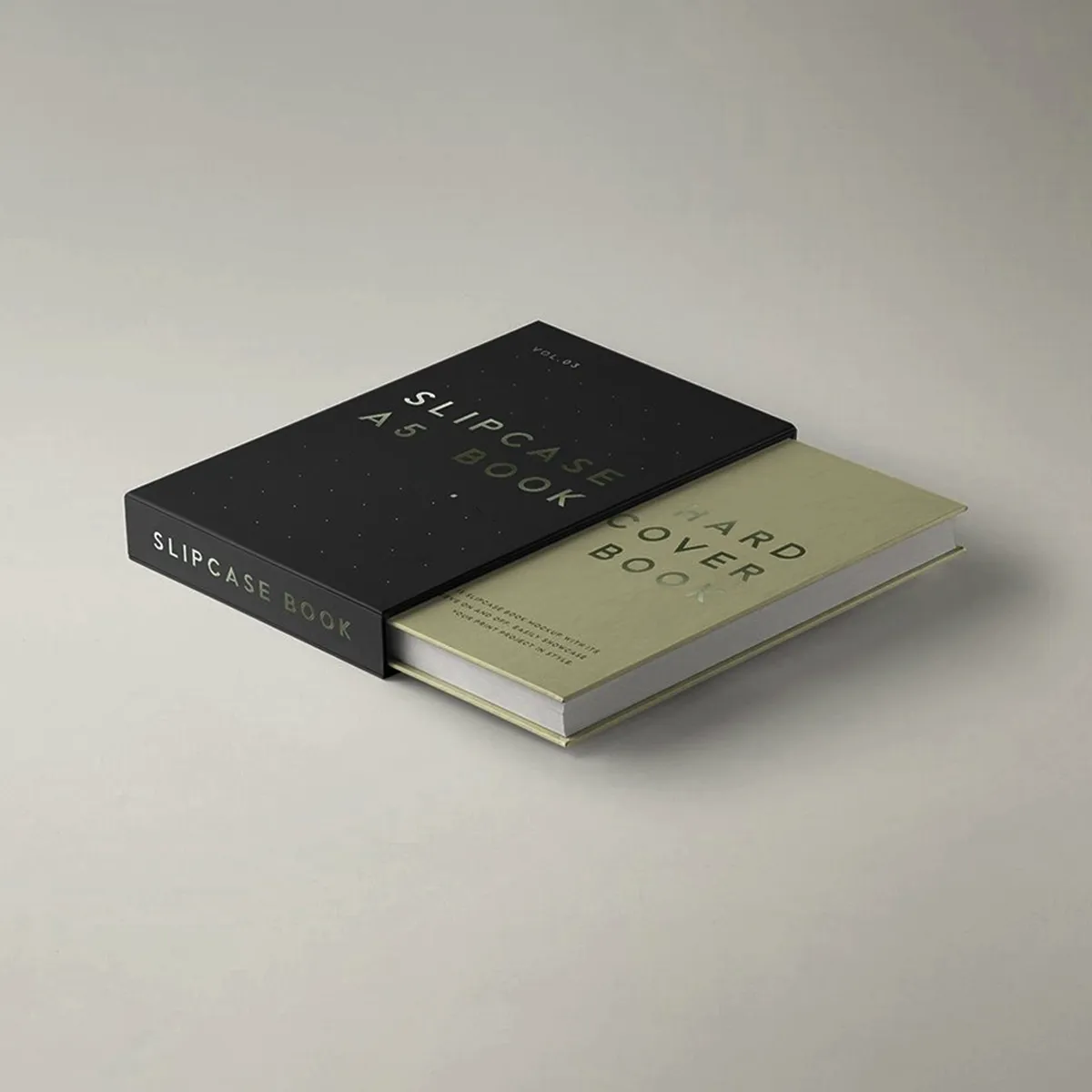
Multiple Packages builds custom slipcase boxes for protection and shelf presence. Fit matters most. A slipcase that is too tight scuffs the product every time it comes out. One that is too loose lets it slide out when the case tips. For books, we size the interior to the book block plus about 1.5 to 3mm clearance on width and depth, depending on the cover material, and add a thumb notch or finger cut at the open edge so the item can be pulled out cleanly.
Send your product dimensions or a physical sample and we build the dieline to it.
Why choose our slipcase box packaging?
Slipcases are built as rigid set-up boxes. Greyboard at 1.5mm, 2mm or 2.5mm gives the structure, with 2mm the usual choice for books and gift sets. The board is wrapped in litho-printed paper, textured specialty paper, book cloth or leatherette, and the wrap is folded over the edges so no raw board shows.
Grain direction decides whether a slipcase stays flat. Wet adhesive makes the wrap expand, and when board and wrap grain run against each other the case bows as it dries. We run the grain parallel to the spine and balance the board so the case stays square.
For collectables and archival editions, acid-free and lignin-free board is available, so the case does not yellow or transfer acids to what it holds over time.
You can customise material, colour and finish. Options include full CMYK and Pantone printing, foil stamping, blind embossing and debossing, soft-touch and matte lamination, spot UV, and printed interiors.
Versatile packaging for every need
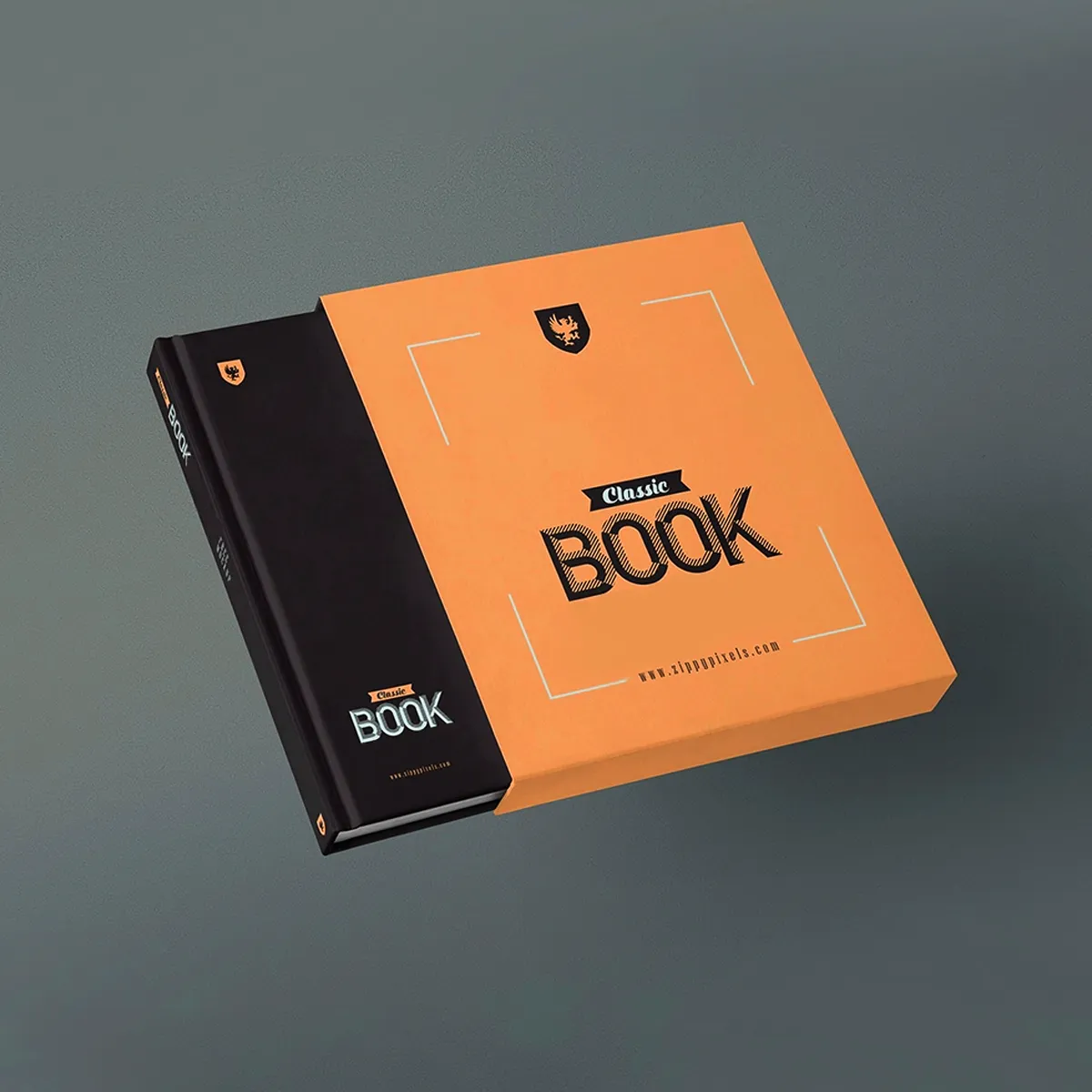
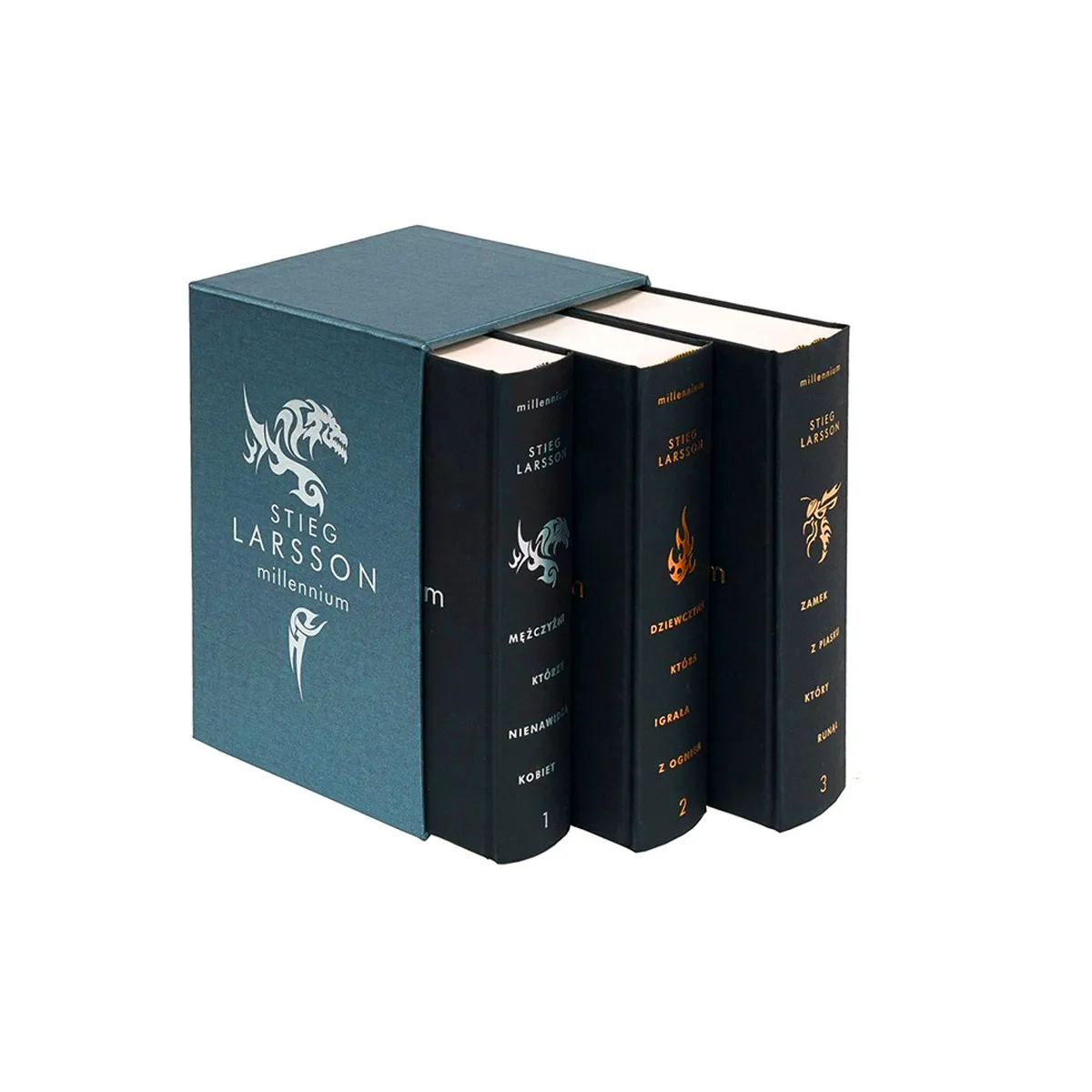
Books and catalogues. Single volumes, multi-volume box sets and special editions, with the spine left exposed for shelf display.
Vinyl and media box sets. A standard LP jacket is 12.375 inches square, so record box sets need an interior sized for the jacket count plus clearance.
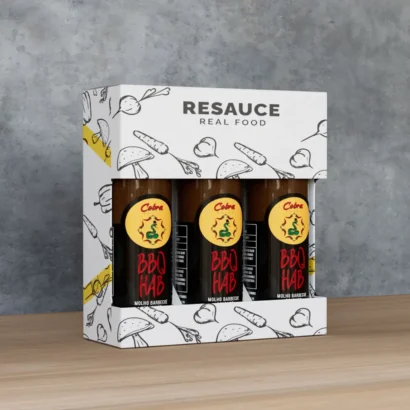
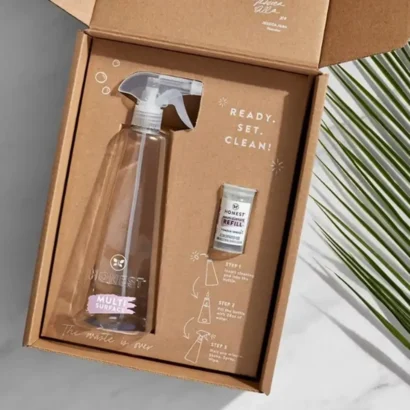
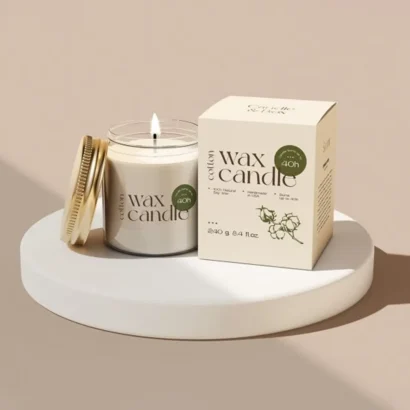
Gift items. Luxury gift packaging, often paired with an inner tray so the case slides off to reveal the product.
Electronics. A slipcase over an inner tray with a die-cut EVA or paperboard insert, holding a device and its accessories in place.
Art and collectables. Prints, trading card sets, coins and limited runs, where archival board keeps the item in the condition it was bought.
Why Multiple Packages?
We build to your product rather than a stock size. Every slipcase gets a free custom dieline and a digital proof before production, and a physical sample on request so you can check the fit with your actual item. Colour is managed across runs, so a second printing of a book matches the first.
FSC certified board, recycled greyboard, water-based adhesives and soy based inks are available. Rigid slipcases are usually kept rather than thrown away, and that reuse is their strongest environmental argument. Unlaminated paper-wrapped cases are recyclable in most US programs. Cloth, leatherette and film lamination usually are not, and we will tell you which applies to your build.
Low-MOQ ordering starts slipcase boxes from 100 units, which suits a small press edition or a limited collectable run. Production takes about 10 to 14 business days after proof approval, since rigid wrapping takes longer than folding cartons, with free shipping across the USA.
FAQs
What is the minimum order for custom slipcase boxes? Low MOQ ordering starts from 100 units, so an independent publisher or a limited edition run can order proper rigid slipcases without holding excess stock.
How much clearance does a book slipcase need? Usually 1.5 to 3mm over the book block on width and depth, depending on the cover material. Send the finished book or its exact dimensions and we size it from those.
What is the difference between a slipcase and a sleeve? A slipcase is a rigid five-sided box with one open end. A sleeve is usually a lighter paperboard wrap that is open at both ends.
Can slipcases be archival quality? Yes. Acid-free and lignin-free board and wrap are available for collectables, art prints and editions meant to be kept long term.
Why do some slipcases warp? Board and wrap grain run against each other, so the case bows as the adhesive dries. Running grain parallel to the spine prevents it.