Online brands are switching to custom mailer boxes because a box built around the product looks like the brand the moment it reaches a doorstep, and it usually needs less filler and tape than a generic shipping carton. When sized well, they can also reduce dimensional-weight charges. It suits light to medium items best.
A candle shop ships a hundred orders a week in plain brown cartons, each one stuffed with crumpled paper so the jar doesn’t slide around. Last month, two jars still arrived cracked. Meanwhile, the owner keeps seeing a competitor’s customers post photos of a neat black box with a ribbon inside. Stories like this push many online brands toward custom mailer boxes, and the move is rarely about looks alone. This post covers what’s driving the shift, the trade-offs, and how to tell whether it suits your business.
The Shift Away From Plain Boxes
For years, the shipping carton was an afterthought. Brown, tough, forgettable. Then online selling got crowded, and the box became the first thing customers actually touch.
When ten shops sell nearly the same product, packaging is one of the few places left to stand out.
What a Mailer Box Actually Is
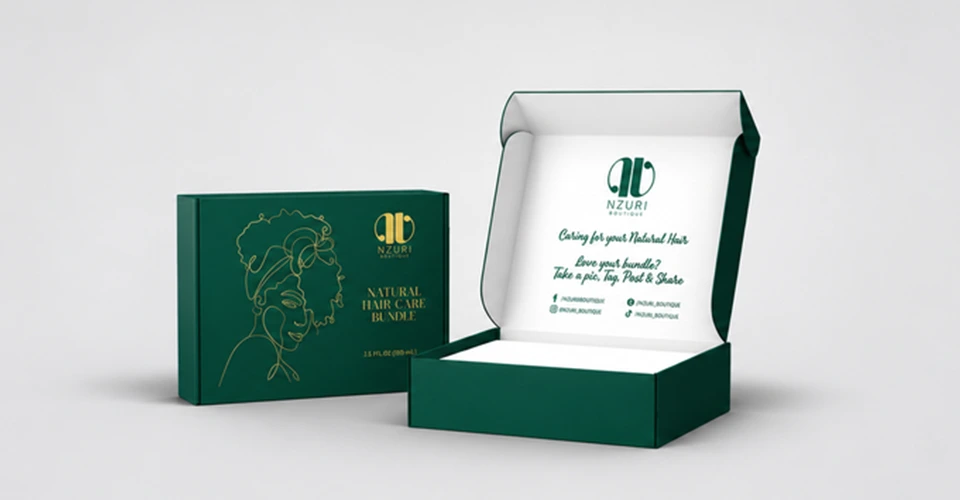
A mailer box is a folding box, usually made of corrugated board, with a lid that tucks or locks shut. It ships flat, snaps together in seconds, and closes without a roll of tape. That’s the whole idea: simple to pack, neat to receive.
You’ll see the same product sold as mailer boxes at one supplier and as custom mailing packages at another: different label, same thing.
Unboxing Is Part of the Product
Unboxing videos are a genre of their own for a reason. Opening the package is the first real contact a customer has with your brand. A printed lid, a short note inside, or a clean layer of tissue says someone cared. A plain carton says the order was processed.
Keep it believable, though. Fancy packaging around a mediocre product only raises the disappointment.
A Better Fit, Less Filler
Here’s the practical side. A box cut to the product’s dimensions leaves less room for it to move. Less movement means less void fill, fewer scuffed lids, and a smaller pile of packing material for the customer to throw away.
A snug box still needs the right protection inside, though. Fragile goods may need an insert, not just a tighter size.
Shipping Costs and Dimensional Weight
Carriers don’t only charge by how heavy a package is. They also look at how much space it takes up, and they bill whichever number is higher. An oversized carton around a small item can cost more to ship than the item’s weight suggests.
A properly sized box helps keep that number down. Measure the product and the packaging, then compare quotes using the box’s outside dimensions, not the product’s.
Mailer Boxes vs. Shipping Boxes
Neither one wins across the board. It depends on what you ship.
| Factor | Mailer Box | Standard Shipping Box |
| Closing | Self-locking lid, little or no tape | Usually needs tape |
| Look | Designed to be seen and kept | Plain, utility-focused |
| Fit | Sized to the product | Often generic sizes |
| Best for | Light to medium items, subscriptions, gifts | Heavy or bulky goods |
| Branding space | Outside and inside | Mostly outside only |
Heavier products need a stronger board or a different box altogether.
Why Custom Mailer Boxes Fit Small Brands
You don’t need to be a big name to justify it. A small shop can start with one product line, one print color, and a modest first batch, then grow once it knows what works.
The point isn’t to look big. It’s to look consistent: the same box, the same message, every order.
Branding Without Overspending
Printing every inch of the box in full color isn’t necessary. Plenty of shops get a polished look from kraft board, a one-color logo on the lid, and a short message printed inside. Costs tend to climb with each ink color and special finish, so decide which single detail customers will actually notice and invest in.
Sustainability Expectations
Many shoppers notice what packaging is made of, and less plastic filler reads well. Corrugated board is widely recyclable, which helps. Heavy lamination or plastic coatings can complicate that, so ask the supplier how a finish affects recyclability before you approve it.
What Brands Worry About Before Switching
Three concerns come up most. First, minimum orders: custom mailing packages usually come with a minimum quantity, and it varies by supplier, so ask early. Second, lead times: printed boxes take longer than stock cartons, so order before you run low, not after. Third, artwork mistakes: a logo that looks sharp on screen can print fuzzy if the file isn’t a vector.
None of these is a dealbreaker. All of them are cheaper to sort out before production than after.
How to Make the Switch
Start small. Measure your product, then request a sample or a plain test box in the same size. Pack it, shake it, ship one to yourself or a friend. If it survives and looks right, order a pilot batch instead of a year’s supply.
Then watch what happens: damage reports, customer reactions, and whether packing time changed. You’ll learn more from fifty real orders than from any spec sheet.
What to Check Before Ordering?
- Outside dimensions so that you can estimate shipping cost accurately.
- Board strength and whether it suits your product’s weight.
- Print method and how many colors the quote includes.
- Whether a sample is available before the full run.
- Minimum quantity and expected production time.
A supplier who answers all five plainly is a good sign.
Quick Tips
- Ask for an itemized quote so you can compare like with like.
- Check the printed proof carefully, because fixes after printing starts cost time and money.
- Store boxes flat and dry, since damp boards lose strength.
- Tell your packing team about the new steps before the first batch arrives.
- Print a short message inside the lid if the budget allows.
- Reorder in the same size to keep your look consistent.
FAQs
What’s the difference between a mailer box and a shipping box?
A mailer box is a folding, self-locking box sized to the product. A standard shipping box is usually a generic carton that needs tape.
Do mailer boxes need tape?
Most self-locking designs close without it. Some brands add a sticker or tape strip for extra security.
Can I print on the inside of the box?
Often, yes. Many suppliers offer outside-only or inside-and-outside printing, so confirm it before ordering.
What size should I order?
Measure the product, add room for any protection, and use the box’s outside dimensions to estimate shipping.
What’s the minimum order quantity?
It varies by supplier and print method. Ask for it in writing before you finalize a design.
Conclusion
Multiple Packages lists mailer boxes among its product categories, along with prototype and sampling, 2D and 3D previews, and packaging evaluation such as drop and crush tests. Its quote form asks for your dimensions and quantity and lets you choose between no print, print outside, or print inside and out.
If you’re weighing the switch, a sample and an itemized quote will tell you more than any brochure. Send your product’s dimensions and expected volume, then compare the quote with what you pay for plain cartons today.