
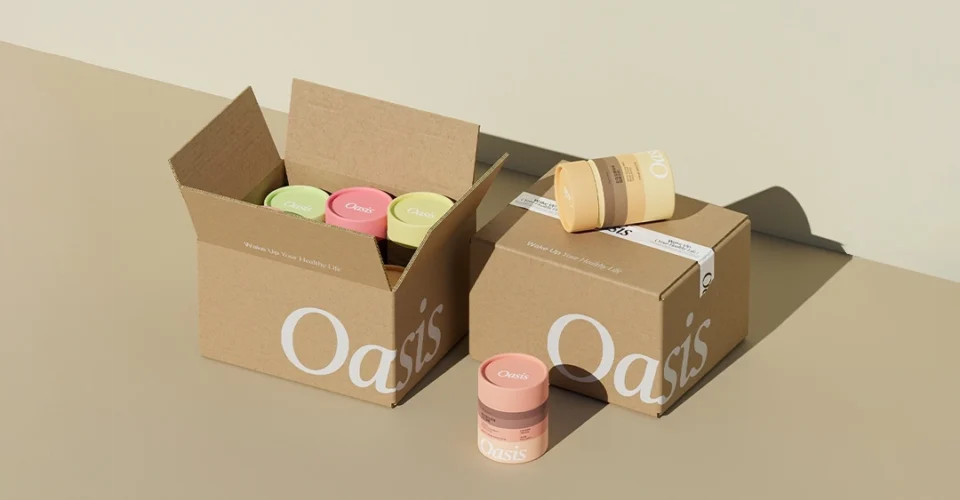
Bulk pricing for customized shipping boxes drops significantly as order quantities increase. Online sellers save the most by ordering larger quantities less frequently overall. Properly measuring custom shipping boxes also prevents costly sizing mistakes early. Understanding these pricing patterns helps sellers budget packaging costs more effectively.
Why Bulk Pricing Matters for Online Sellers?
Online sellers often underestimate the extent to which packaging costs affect overall profit margins. Shipping boxes represent a recurring expense with every order shipped. Understanding bulk pricing helps sellers reduce this cost significantly over time. Smart packaging decisions directly impact long-term business profitability and growth.
Many new sellers order small quantities without considering long-term cost savings. This approach often leads to higher per-unit pricing over repeated orders. Learning bulk pricing strategies early helps sellers scale more efficiently.
How Does Bulk Pricing of Custom Shipping Boxes Actually Work?
Customized shipping boxes typically follow tiered pricing based on order quantity. Larger orders significantly reduce the cost per box. This pricing structure exists because production costs decrease with larger print runs. Manufacturers pass these savings directly to bulk-ordering customers.
Sellers should request pricing tiers from suppliers before placing their first order. Comparing costs across different quantities reveals the best-value point. This comparison helps sellers avoid overspending on smaller, less efficient orders.
Quantity Tiers and Cost Savings
| Order Quantity | Approximate Cost Impact | Best Suited For |
| 100–250 units | Higher per-unit cost | New sellers testing designs |
| 500–1,000 units | Moderate cost reduction | Growing small businesses |
| 2,500–5,000 units | Significant cost reduction | Established online stores |
| 10,000+ units | Lowest per-unit pricing | High-volume sellers |
This table shows why larger orders often make financial sense in the long term. Sellers should balance storage space with these potential cost savings.
Measuring a Box for Shipping Saves Money
During production, costly sizing errors can be prevented by measuring a box for shipping. Incorrect measurements can lead to wasted materials or unusable inventory. Sellers should measure their products, not just packaging, before ordering. This step ensures customized shipping boxes fit products securely and efficiently.
Accurate measurements also help reduce shipping costs charged by carriers. Oversized boxes often incur higher fees based on dimensional weight calculations. Proper sizing keeps both packaging and shipping costs under control.
Standardizing Sizes Reduces Overall Costs
Sellers offering multiple product types sometimes need several box sizes available. However, standardizing sizes where possible can reduce overall packaging costs. Fewer size variations mean simpler bulk ordering and better pricing tiers. This strategy works well for sellers with similar product dimensions.
Reviewing your product catalog helps identify opportunities for size standardization. Grouping similar products into a single box size simplifies inventory management significantly. This approach also supports more efficient bulk purchasing decisions overall.
Timing Your Orders Around Demand
Strategically ordering shipping boxes around demand cycles supports better pricing. Sellers anticipating busy seasons should order well before demand increases. This timing avoids rushed orders that sometimes carry premium pricing. Planning also ensures adequate stock during peak shopping periods.
Reviewing past sales data helps accurately predict future packaging needs. This data supports smarter, more cost-effective bulk ordering decisions. Sellers who plan often secure better pricing and availability.
Balancing Storage Space With Bulk Savings
Bulk orders naturally require more storage space for shipping boxes. Sellers must weigh potential savings against available warehouse or storage capacity. Overordering without adequate storage can quickly create logistical challenges. Finding the right balance supports both cost savings and practical storage needs.
Some sellers use staggered delivery schedules to manage this balance effectively. Suppliers may offer partial shipments from one larger bulk order. This approach helps sellers benefit from bulk pricing without the strain of storage.
Comparing Suppliers for the Best Value
Not all suppliers offer the same bulk pricing structures or quality standards. Sellers should compare multiple suppliers before committing to large orders. This comparison should include pricing, material quality, and delivery reliability. Choosing the cheapest option isn’t always the smartest long-term decision.
Requesting samples before bulk ordering helps verify quality expectations are met. This step reduces the risk of costly mistakes with large orders. A trustworthy supplier relationship often leads to better pricing over time.
Tips for Smarter Bulk Ordering
Consider these practical tips before placing your next bulk packaging order.
- Request pricing tiers from suppliers before committing to quantities.
- Measure products carefully before finalizing shipping box dimensions.
- Standardize box sizes across similar products where possible.
- Plan orders around seasonal demand and sales forecasts.
- Compare storage space needs against potential savings from bulk orders.
- Research the supplier’s reputation and request samples before placing large orders.
Following these tips helps online sellers maximize the benefits of bulk pricing. This preparation supports smarter, more cost-effective packaging decisions overall.
Avoiding Common Bulk Ordering Mistakes
Many first-time bulk buyers make avoidable mistakes during their ordering process. Skipping measurement verification often leads to boxes that don’t fit properly. Ignoring storage limitations can result in cramped or disorganized warehouse space. These mistakes ultimately reduce the value of bulk pricing savings.
Sellers should also avoid ordering excessive quantities without confirmed demand for the product. Overstocking customized shipping boxes ties up capital unnecessarily for slow-moving inventory. Careful planning helps avoid these common and costly ordering pitfalls.
Why the Right Packaging Partner Makes a Difference?
Working with an experienced packaging supplier simplifies bulk ordering significantly. Reliable partners guide sellers through pricing tiers, sizing, and material choices. This guidance proves especially valuable for sellers new to bulk purchasing. Clear communication with suppliers also prevents costly misunderstandings during production.
At Multiple Packages, online sellers can explore custom shipping boxes suited for various order sizes. We support sellers by providing guidance on accurately measuring a box. This support helps sellers make confident, cost-effective bulk purchasing decisions.
Smarter Packaging, Better Margins
Bulk pricing for custom shipping boxes offers real savings for online sellers. Understanding quantity tiers, accurately measuring a box, and supplier comparison all matter. These factors together help sellers reduce costs while maintaining quality packaging. Multiple Packages supports sellers throughout this bulk-ordering process.