
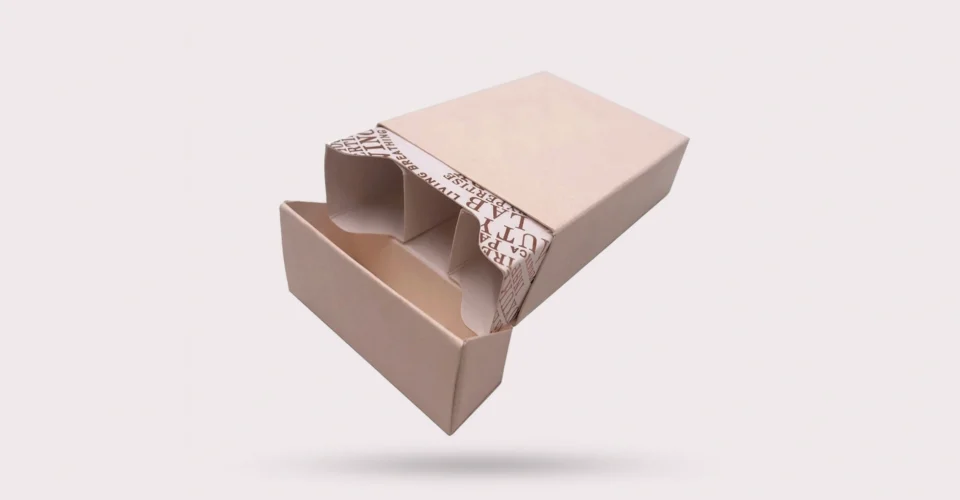
Cigarette Boxes Blank can teach D2C apparel brands a lesson they’d do well to learn: packaging doesn’t have to be a fixed entity. In business endeavours while having an easy peasy packaging system makes it easier to try new products, support limited innovations, manage inventory, and keeping to a consistent brand image, even when your collections and customer demand are always changing.
Introduction
The fashion world moves at a faster pace with better innovative ideas. One minute you’re launching a new collection and the next you’re testing out a small project while collaborating with the new vendors. Yet when it comes to packaging, so many D2C apparel brands take the view that once you order it, that’s it; you’re stuck with one design that you’ll need to use for every single product from now on.
But that can quietly cause some operational problems.
What happens if your logo gets a revamp? Or a new seasonal collection needs to have a different look? And then there’s the scenario where one of your products is flying off the shelves while another one is just sitting there.
The idea behind cigarette boxes blank is pretty intriguing. Packaging that’s not printed with anything on it gives you a clean slate to work with instead of having to commit every single box to a single message from the get-go.
For apparel brands, that same principle can become a smart packaging strategy, one built around being flexible rather than locked in.
What Can Blank Packaging Teach D2C Apparel Brands?
It’s not about copying the look of cigarette boxes blank, but more about understanding the value of having some flexibility with your packaging.
When you use cigarette boxes blank, you separate the physical box itself from the branding layer. And that gives you space to make decisions later on, once you’ve got more information about the product, the campaign, how customers are responding, or what the season holds.
For D2C apparel companies, that means standardising the box structure but being able to change the labels, sleeves, stickers, inserts, or printed elements around it afterwards.
Which is pretty important, as, to put it mildly, apparel brands are rarely static.
How Flexibility Can Help With Product Testing
Whenever a project of apparel boxes wholesale launches, uncertainty can be high. You might not know whether a particular colour, collection or product category is going to fly off the shelves.
Ordering a load of highly specific packaging before testing demand can leave you with a load of packaging that’s now completely out of step with your strategy.
But a flexible system lets you test and scale later.
When we talk about custom apparel boxes, they can be a strategic play for businesses as well as vendors. The main goal is to look completely unique and premium while creating a packaging structure that can easily adapt to change without losing your brand identification.
Why Buying Apparel Boxes Wholesale Shouldn’t Always Mean “Buying More”
Buying apparel boxes wholesale can make sense when your order volumes are predictable, but a big order doesn’t always automatically mean it’s the most efficient thing to do. If the packaging becomes outdated before you’ve even used it all up, it’s a waste of money.
This is where brands need to start thinking beyond the price per box.
Imagine you’re an apparel company that orders thousands of boxes printed specifically for a collection, only to find out that collection is scrapped. The packaging you’ve got left over becomes useless.
A more thoughtful wholesale strategy looks at versatility, storage, product cycles, and future use as well as the unit price.
For growing D2C brands, this can be especially useful when you’re constantly changing collections, or when different products share similar dimensions.
Packaging Flexibility vs. Traditional Fixed Packaging
| Strategy | Fixed Packaging | Flexible Packaging Approach |
| Product testing | Requires dedicated packaging | Easier to adapt for smaller tests |
| Seasonal launches | New packaging may be required | Branding elements can change |
| Inventory | More packaging variations | Fewer core structures may be needed |
| Brand identity | Usually tied to one design | Core identity can remain consistent |
| Limited editions | May require a new box run | Easier to create campaign variations |
| Scaling | Can create excess packaging | Supports controlled expansion |
Why Fashion Drop Packaging Needs to Keep Up
Fashion collaborations, holiday collections, and artist partnerships they’re all great reasons to think about adaptable packaging.
You might think that a limited edition fashion drop needs a whole new packaging design, but that’s not always the case. A simple neutral base can work really well with some temporary branding elements, special inserts, stickers, sleeves, or labels. And the result is a packaging system that looks exclusive but doesn’t get too complicated.
This approach also helps keep your brand consistent. Customers will still spot the same box structure but get that each campaign has its own personality.
The Inventory Problem Brands Don’t Want to Admit
In fact, packaging always takes up enough space in your purchasing budget, and can be a real pain to manage in the business. However, every product needs a different box for better presentation. That makes packaging design about more than just looks or branding; it’s also about inventory management.
So how can a D2C brand simplify its packaging inventory? By identifying a few core box sizes that can work for lots of different product lines. Then, it’s just a matter of adapting the branding to fit each campaign.
It shouldn’t mean that every single item goes in the same box. Instead, brands should be asking themselves: “How many different packaging types do we really need?”
That’s a question that can help your business avoid unnecessary variations while still giving customers a great branded experience.
How Multiple Packages Can Support Your Flexibility
For brands that want to create a system like this, Multiple Packages provides custom packaging solutions that are all about the product, the brand requirements, the materials you use, and the printing and finishing. It’s not just about the box, but how the packaging fits into a bigger brand system.
Whether you need custom apparel boxes for a new collection, or wholesale packaging for established lines, the first step is to understand your product lifecycle, how often you’ll be ordering, how you’ll be storing it all, and how often the branding will change.
Practical Tips for Creating More Adaptable Apparel Packaging
1. Start With Your Range Of Products
Group your products by size and packaging requirements before trying to figure out how many different box sizes you need.
2. Separate What’s Permanent From What Can Be Changed
Think about which bits of the packaging need to stay the same and which can change from launch to launch.
3. Test Before Committing
Use smaller batches when you’re trying out a new product or a new visual direction, rather than ordering big and then realising you’ve made a mistake.
4. Think About Storage Space
A packaging design that looks great but takes up loads of warehouse space is just asking for trouble down the line.
5. Keep the Core of Your brand on Show
Flexible packaging should still have your brand’s identity shining through your typography, your logo placement, your messaging, your signature details.
Frequently Asked Questions
Are Cigarette boxes blank really the way to go for apparel brands?
They might come in handy for brands that are super flexible and think their product range or campaigns are going to change a lot, but it all comes down to picking the right fit for your brand. You want a structure that keeps your gear safe while still allowing you to mix things up.
Why on earth would you consider custom apparel boxes for D2C fashion?
It comes down to this: you get to tailor your packaging to your product, the way you present it, and your overall vibe. You can’t just use some generic box format and call it a day.
Is buying wholesale always the best bet for saving cash?
Not really. Sure, it can help on a unit-by-unit basis, but buying up a bunch of boxes you may not even use can be more of a headache than it’s worth.
Can one packaging design work for multiple apparel products?
Yeah, it’s definitely possible, especially if your products all pretty much have the same folded dimensions. But you gotta think about things like how they fit, whether they need some extra protection, how much they weigh, and how you want to present them.
How can packaging help me out with limited edition collections?
You can start with a solid base design and then swap out some of the branding elements to make it match whatever seasonal collection or collaboration you’re working on.
Does going flexible with packaging mess up brand consistency?
It’s really not a dealbreaker. As long as you’ve got a solid visual system in place, you can still keep your brand looking sharp even when you’re mixing things up with different packaging designs.
The Bottom Line
The real lesson from what used to be called cigarette boxes is not the box itself rather than just the idea that packaging can be something you design to adapt to change.
For D2C apparel brands, that’s a total game-changer. Instead of just thinking about what your next box should look like, why not ask yourself how flexible your packaging strategy could really be? Think about how it could help out with product testing, limited launches, inventory planning, and keeping your brand looking good in the long run.