
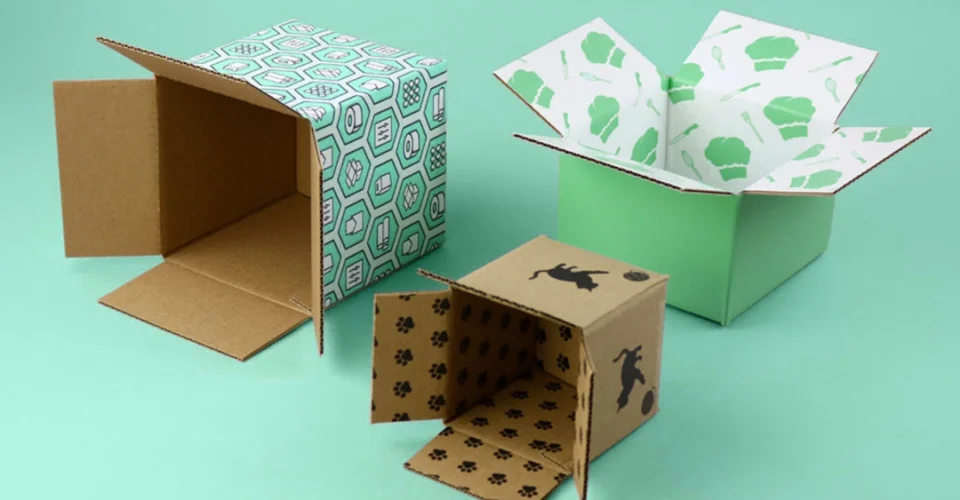
A great packaging box balances protection, branding, and cost-effective material choices. Clear communication with your supplier prevents costly design or production mistakes. Businesses offering subscription box packaging solutions especially need detailed, thoughtful supplier briefs. Understanding these elements helps businesses create custom packaging boxes that truly represents their brand.
Why Great Packaging Matters So Much?
Pckaging boxes do more than simply hold products safely. They communicate brand identity, quality, and attention to detail instantly. A well-designed box often influences purchasing decisions before customers open it. Understanding what makes packaging effective helps businesses invest wisely.
Many businesses struggle with unclear communication from suppliers during the design process. This confusion often leads to delays, revisions, or disappointing final results. Learning how to brief suppliers properly avoids these common frustrations entirely.
The Core Elements of Great Custom Packaging Boxes
Strong Structural Design
Packaging boxes must protect products throughout shipping and handling processes. Structural strength depends on material thickness, box shape, and construction method. Weak packaging risks damaged products and increased customer complaints later. Strong design forms the foundation of any successful packaging project.
Clear Brand Representation
Packaging should visually reflect your brand’s colors, logo, and overall personality. Consistent branding across packaging boxes builds recognition and customer trust. This visual consistency matters especially for businesses offering subscription box packaging. Repeat customers expect familiar, recognizable packaging with every delivery.
Functional and Practical Sizing
Boxes sized incorrectly waste materials and increase unnecessary shipping costs. Properly sized custom packaging boxes fit products snugly, leaving no excess space. This precision reduces movement damage and lowers dimensional shipping fees. Functional sizing benefits both business costs and customer experience simultaneously.
Thoughtful Unboxing Experience
Modern customers often share unboxing experiences across social media platforms. Great packaging considers how products look and feel upon opening. Small details like tissue paper or printed messages enhance this experience. Subscription box packaging especially benefit from this thoughtful presentation approach.
Comparison: Good Packaging vs Great Packaging
| Element | Good Packaging | Great Packaging |
| Structural Strength | Adequate protection | Optimized for specific product needs |
| Branding | Basic logo placement | Consistent, memorable brand experience |
| Sizing | Generic, standard dimensions | Precisely fitted to product dimensions |
| Sizing | Functional only | Memorable, shareable customer moment |
| Supplier Communication | Minimal briefing details | Clear, detailed project requirements |
This comparison highlights why small details often separate good packaging from great packaging. Attention to each element significantly improves overall results.
How to Brief Your Supplier Effectively?
Start With Clear Product Details
Suppliers need accurate product dimensions, weight, and fragility information upfront. This information helps them recommend appropriate materials and construction methods. Skipping these details often leads to poorly fitted packaging boxes. Providing measurements early prevents costly revisions later in production.
Share Your Brand Guidelines
Suppliers work more efficiently when given clear brand color and logo files. Include font preferences, brand voice, and any required regulatory information. This clarity helps suppliers create designs matching your existing brand identity. Consistent guidelines also significantly speed up the design approval process.
Explain the Product’s Purpose and Audience
Suppliers benefit from understanding who will receive your custom packaging boxes. Subscription box packaging solutions, for example, need different considerations than retail packaging. Explaining audience expectations helps suppliers suggest appropriate finishes and features. This context supports more relevant, effective packaging recommendations.
Provide Budget and Quantity Expectations
Sharing budget ranges early helps suppliers suggest realistic material and design options. Quantity expectations also significantly affect pricing tiers and production timelines. Being upfront about these details avoids wasted time on unsuitable proposals. Clear expectations lead to more accurate, useful supplier recommendations.
Request Samples Before Bulk Production
Always ask for physical or digital samples before committing to bulk orders. Samples reveal color accuracy, material feel, and overall design quality. This step helps catch potential issues before expensive bulk production begins. Carefully reviewing samples protects your investment in packaging boxes.
Special Considerations for Subscription Boxes
Subscription box packaging require unique planning compared to standard retail packaging. These boxes often need reusable or durable designs for repeated interactions. Customers expect consistent quality and branding with every recurring shipment received. Suppliers should understand this repeated-use context during the briefing process.
Businesses should also discuss customization options for seasonal or themed subscription boxes. This flexibility allows brands to keep packaging fresh while maintaining core identity. Clear communication about these variations helps suppliers plan production accordingly.
Common Briefing Mistakes to Avoid
Many businesses provide vague or incomplete information during supplier briefings. This vagueness often results in designs missing the mark completely. Skipping measurement details or brand guidelines leads to unnecessary rounds of revision. Taking time to prepare thorough briefs saves both time and money.
Businesses should also avoid assuming that suppliers automatically understand unstated preferences. Clearly stating expectations, even seemingly obvious ones, prevents miscommunication entirely. This clarity supports smoother collaboration throughout the entire packaging process.
Practical Tips for Working With Suppliers
Consider these tips when briefing your packaging supplier to achieve the best results.
- Provide exact product measurements and weight before requesting design proposals.
- Share brand guidelines, including colors, fonts, and logo files clearly.
- Explain your target audience and how packaging will be used.
- Discuss budget and quantity needs upfront for accurate recommendations.
- Always request samples before approving large packaging boxes orders.
- Clearly communicate any special requirements for subscription box packaging.
Following these tips helps businesses avoid miscommunication during the packaging process. This preparation supports smoother collaboration and better overall results.
Bringing Your Packaging Vision to Life
Creating a great custom packaging box requires more than an attractive design. Structural strength, branding consistency, and clear supplier communication all matter significantly. Businesses offering subscription box packaging especially benefit from detailed, thoughtful briefs.
Multiple Packages supports businesses throughout this entire process. With careful planning and clear communication, packaging can truly represent your brand. This thoughtful approach ultimately strengthens customer experience and long-term business success.