
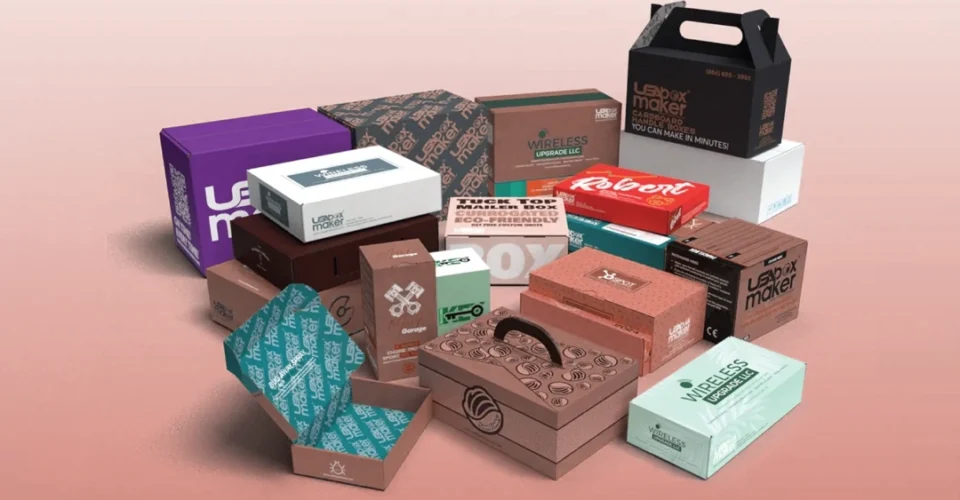
The bar for packaging in the beauty, wellness, and personal care space has never been higher. Modern buyers research packaging materials before they buy. They film unboxing videos and publicly and loudly reject brands that use excessive or non-recyclable packaging on social media. In 2026, custom cardboard cartons will no longer be a generic commodity choice for cosmetics, supplements, and personal care brands. They are a strategic communication tool that signals quality, sustainability, and brand identity before a single ingredient is ever read. In this post, we break down exactly what buyers expect from cardboard cartons in 2026. And how brands in these three high-growth categories can meet those expectations with packaging that performs at every touchpoint.
What Buyers Now Demand From Custom Cardboard Cartons?
Consumer expectations in the cosmetics, supplements, and personal care sectors have shifted dramatically over the past two years. Packaging is no longer evaluated on aesthetics alone. Buyers in 2026 evaluate carton packaging across four simultaneous dimensions, and falling short on any one of them creates a friction point that costs the brand a sale.
Sustainability Is No Longer Optional
Eco-friendly packaging is now a major purchasing factor, not a bonus. Millennials and Gen Z shoppers actively research packaging materials before buying. This treats a brand’s sustainability choices as a direct reflection of its broader values. Furthermore, social media accelerates accountability: unboxing videos and product flat-lays regularly expose excessive packaging. This generates brand backlash faster than any regulatory penalty.
In practical terms, buyers in 2026 expect cardboard cartons to use recycled or FSC-certified paperboard, water-based or soy-based inks, and minimal plastic components. Recyclability instructions printed directly on the carton are now expected, not a distinguishing feature. Brands that cannot demonstrate sustainable carton choices face growing resistance from both retail buyers and direct consumers.
Transparency as a Competitive Differentiator
Transparency has become a purchase driver in its own right. Buyers expect clear recyclability instructions, certified material claims, and honest communication about environmental credentials on the carton itself. A carton that claims “eco-friendly” without specifying the board grade, ink type, or certification is not credible to a buyer in 2026. Additionally, supplement and personal care brands face specific regulatory requirements around ingredient disclosure, net weight, and country-of-origin labelling.
5 Design Standards Custom Cardboard Cartons Must Meet in 2026
The design standards for cardboard cartons in cosmetics, supplements, and personal care have evolved into a specific framework that separates brands that win shelf space from those that lose it.
1. Minimalist Layouts With Maximum Impact
Minimalist carton design dominates the 2026 premium beauty and wellness space. Clean typography, bold brand graphics, intentional white space, and simple structural shapes communicate sophistication. Brands that overdesign their cartons risk looking dated and inconsistent with 2026 buyer aesthetics.
2. Natural and Earthy Color Palettes
Natural tones, lavender, clay, sage green, warm brown, and soft grey, complement nature-based and organic ingredient stories effectively. These palettes photograph beautifully for e-commerce product listings and social media content. Conversely, artificially bright palettes signal synthetic formulations to health-conscious buyers, a perception risk for supplement and natural personal care brands.
3. Premium Finishes That Justify Price Points
Soft-touch matte lamination, spot gloss UV, debossed logos, and foil stamping on cardboard cartons significantly elevate perceived product quality. Furthermore, premium finishes on carton packaging help brands justify higher retail price points without changing the formula or ingredients inside. For skincare and supplement brands competing in crowded health retail environments, a premium carton finish is one of the most cost-effective quality signals available.
4. Smart Packaging Integration
Technology integration is becoming increasingly common in personal care and supplement carton packaging. QR codes linking to detailed ingredient sourcing stories, usage tutorial videos, third-party testing reports, or loyalty reward programs. Additionally, NFC-enabled cartons for high-value products provide instant authentication, which is critical for premium supplements and luxury skincare.
5. Structural Performance for E-Commerce Transit
As online direct-to-consumer sales continue to grow across all three categories. A carton that looks beautiful in a retail display but arrives crushed after courier transit creates a negative unboxing experience. We design cartons with structural integrity specifications that protect the product through the full distribution chain, not just the retail environment.
Custom Cardboard Cartons for the CBD and Supplement Category
The CBD and supplement sector presents a specific set of carton design challenges that generic packaging solutions do not address. Custom CBD boxes must meet regulatory compliance requirements across multiple jurisdictions simultaneously. This includes mandatory dosage information, health claim restrictions, lab-testing QR codes, and child-resistant closure compatibility in certain markets.
Compliance and Design Working Together
A well-designed custom CBD box integrates compliance elements, required disclaimers, dosage panels, and certificate of analysis (COA) QR codes into the visual design. This balance between compliance and aesthetics is where experienced carton design matters most. Furthermore, as CBD regulations continue to evolve across Canadian and U.S. markets in 2026, this works with a packaging partner who understands current compliance requirements to prevent costly reprints and production delays.
Additionally, supplement brands across all subcategories. This includes vitamins, protein powders, adaptogens, and probiotics, all of which benefit from custom cardboard boxes that build trust at first sight.
Why Digital Printing Has Changed Cardboard Cartons for Small Brands?
One of the most significant market developments of 2026 is the expansion of digital printing below the 5,000-unit run length threshold. This shift fundamentally changes the economics of premium custom cardboard carton production for small and mid-size cosmetics, supplements, and personal care brands.
Previously, short-run carton production was cost-prohibitive for emerging brands. Digital printing now makes professional-grade custom cardboard boxes with premium finishes accessible in quantities of 1-00 units. This enables startups to test packaging designs, run seasonal or limited-edition collections, and manage inventory risk without committing to large minimum orders. Moreover, brands can now update compliance text, seasonal messaging, or regulatory disclosures without scrapping large existing inventory.
At Multiple Packages, we offer digital and offset print options across our full range of custom cardboard cartons. This gives cosmetics, supplements, and personal care brands the flexibility to scale from startup test runs to high-volume production.
Packaging That Earns the Sale Before the Product Does
In cosmetics, supplements, and personal care, cardboard cartons are the first product customers interact with. They make the quality promise, communicate the brand values, deliver regulatory information, and create the unboxing moment. In 2026, meeting buyer expectations means delivering on sustainability, transparency, premium finish, compliance, and structural performance simultaneously.
At Multiple Packages, we build custom cardboard cartons and custom CBD boxes for beauty, wellness, and supplement brands. From material selection and structural design to compliance integration and digital short-run production, our team supports every stage of the packaging process.