





Description
Why choose our tubes packaging?
Versatile customization
Diameters run from about 1 inch for lip balm and small cosmetics up to 6 inches or more for spirits and gift sets. Length is set by your product.
Structure is the first decision. A two-piece tube has a lid that slides straight over the base. A three-piece tube adds an inner neck, so the lid sits flush with the base and the join looks cleaner. Ends come as rolled edges, paper discs, metal ends or shaker and sifter tops for spices and powders.
Finish options include full CMYK printing with Pantone matching, wrapped kraft, foil stamping, embossing, spot UV, and soft-touch or matte lamination.
Durable and secure
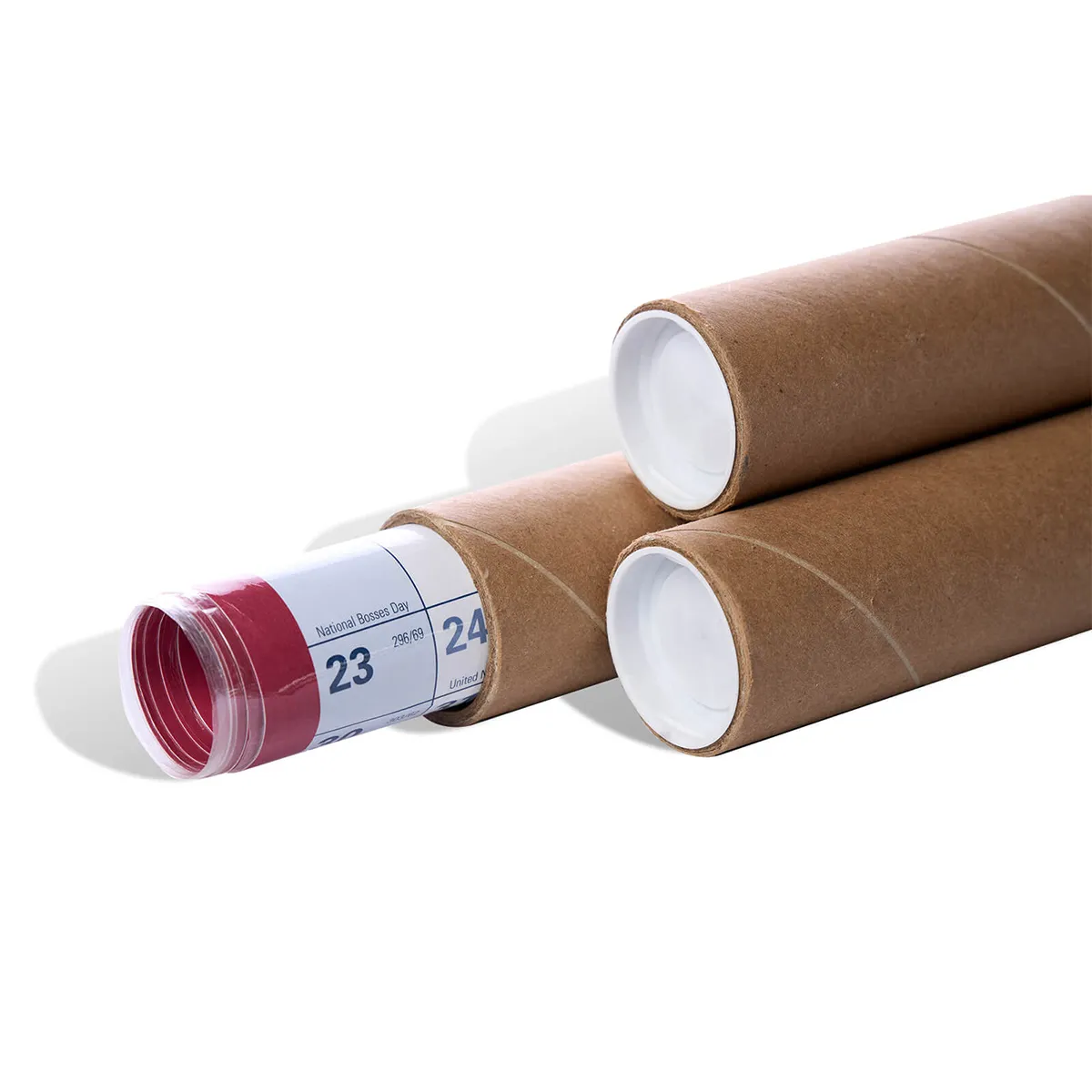
Tubes are made two ways. Spiral wound tubes are formed from strips of board wound at an angle. They are economical and consistent at volume. Convolute wound tubes wrap board straight around a mandrel, which gives thicker walls and better crush strength, so they suit heavier products and mailing tubes. Wall thickness usually runs from about 1mm to 3mm depending on load.
Lid fit is what makes a tube feel premium or cheap. When the tolerance between lid and base is right, air resistance slows the lid as it comes off and you get the soft “pop” customers associate with quality. Too tight and it will not open. Too loose and it falls off in the bag. We set that tolerance for your diameter and prototype it before production.
Tamper-evident peel membranes, shrink bands and paper seals are available where retailers require them.
Sustainable and eco-friendly
An all-paper tube is one of the more recyclable rigid packaging formats. FSC certified board, recycled content, PCR material and soy based inks are available across our tube range.
Metal ends, foil liners and plastic lids need separating before a tube can be recycled, and film lamination usually takes it out of the paper stream altogether. If recyclability is the point, specify paper ends and an uncoated or varnished finish. We will tell you which claim your build supports rather than printing a general one.
Perfect for every industry
Beauty and skincare. Push-up tubes for lip balm and deodorant sticks, and presentation tubes for serums and bath products.
Gourmet food, tea and coffee. Food-grade builds with foil or greaseproof liners and materials compliant with FDA 21 CFR 176.170. Liners hold aroma in and keep oils off the board.
Spirits and wine. Gift tubes for bottles, usually three-piece with an insert holding the neck.
Apparel and retail. Socks, T-shirts and scarves rolled into tubes for a compact, giftable pack.
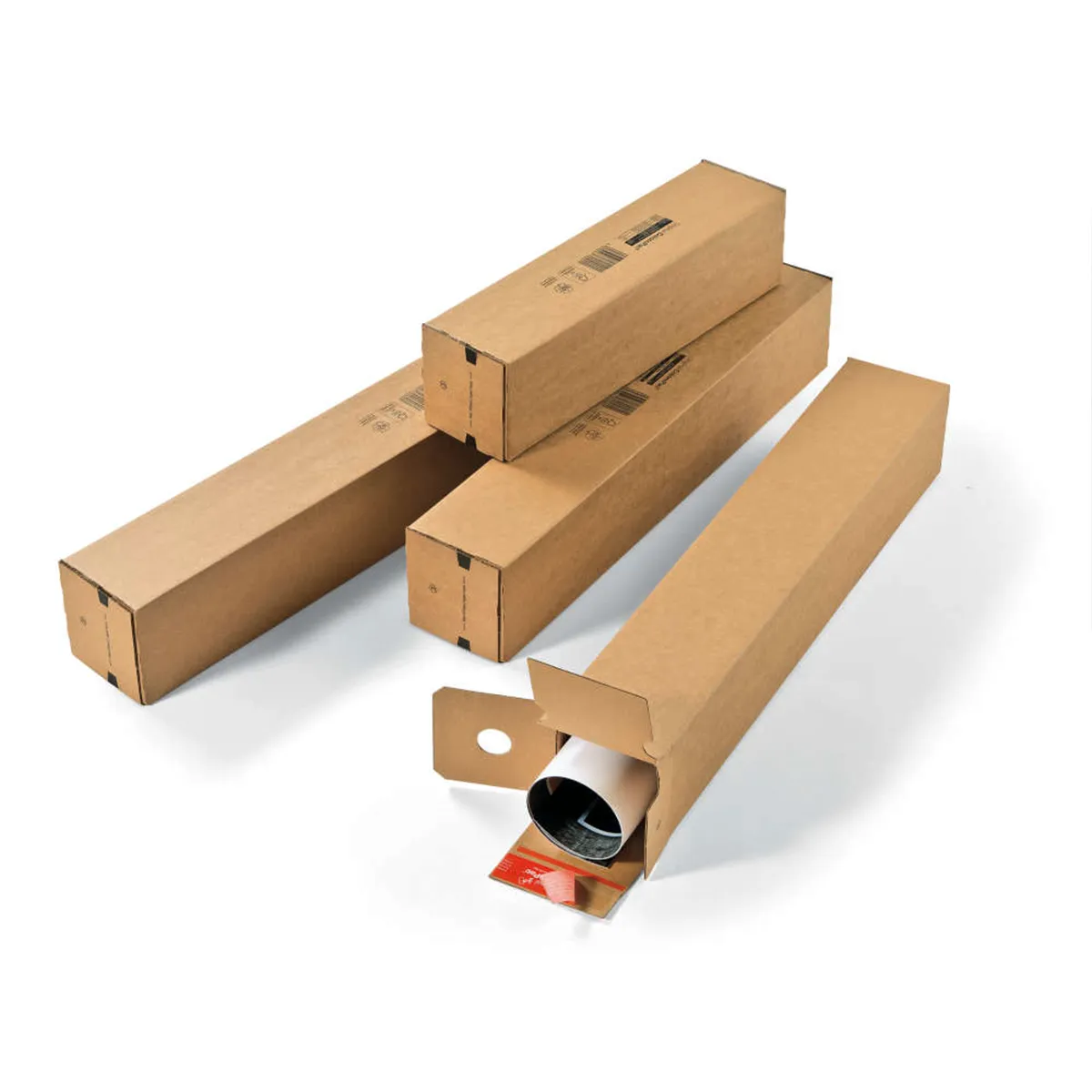
Prints and posters. Convolute wound mailing tubes with end plugs, strong enough to survive courier handling.
Wholesale pricing applies at volume across all of these.
Affordable, efficient, and timely delivery
Low-MOQ ordering starts custom tubes from 100 units, so you can prove a size and finish before committing to a full run. Production takes about 10 to 14 business days after proof approval, since winding and wrapping take longer than folding cartons. Shipping across the USA is free.
Custom branding to make an impact
Your logo, artwork and message can run around the full 360 degrees of the tube, which gives you a continuous surface that a box cannot. Print inside the lid for a small reveal when the customer opens it.
Order your custom tubes packaging today
Send your product dimensions, tube structure and quantity. We will return a free custom dieline and a digital proof, and a physical sample on request so you can check the lid fit yourself.
FAQs
What is the minimum order for custom tubes packaging? Low MOQ ordering starts from 100 units, which suits product launches and small-batch brands.
What is the difference between spiral and convolute wound tubes? Spiral wound tubes are economical and consistent at volume. Convolute wound tubes have thicker walls and better crush strength for heavier products and mailing.
Are paper tubes food safe? Yes, with foil or greaseproof liners and food-contact materials under FDA 21 CFR 176.170.
Are paper tubes recyclable? All-paper tubes are. Metal ends, foil liners and plastic lids need separating first, and film lamination usually takes a tube out of the paper stream.